







I’m a storyteller.
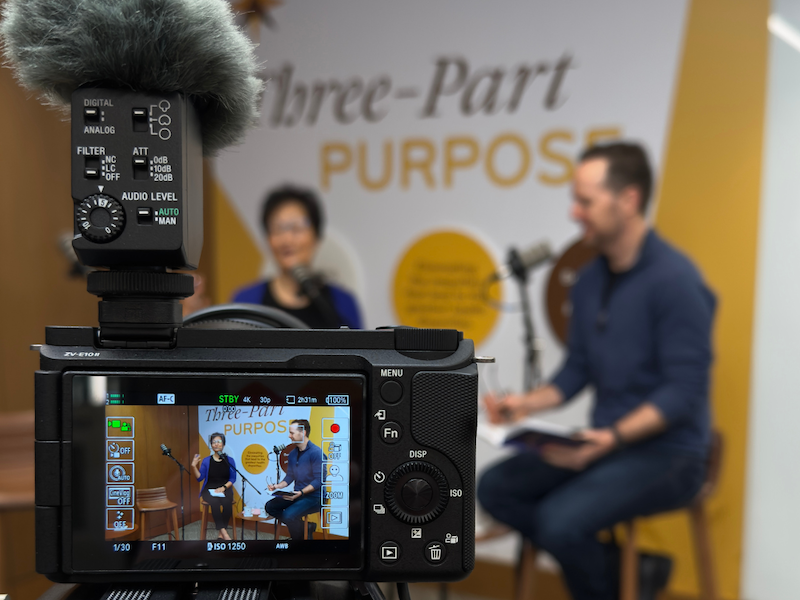
At the Kansas Health Foundation, I tell stories for the organization, our partners and Kansas communities through my camera.
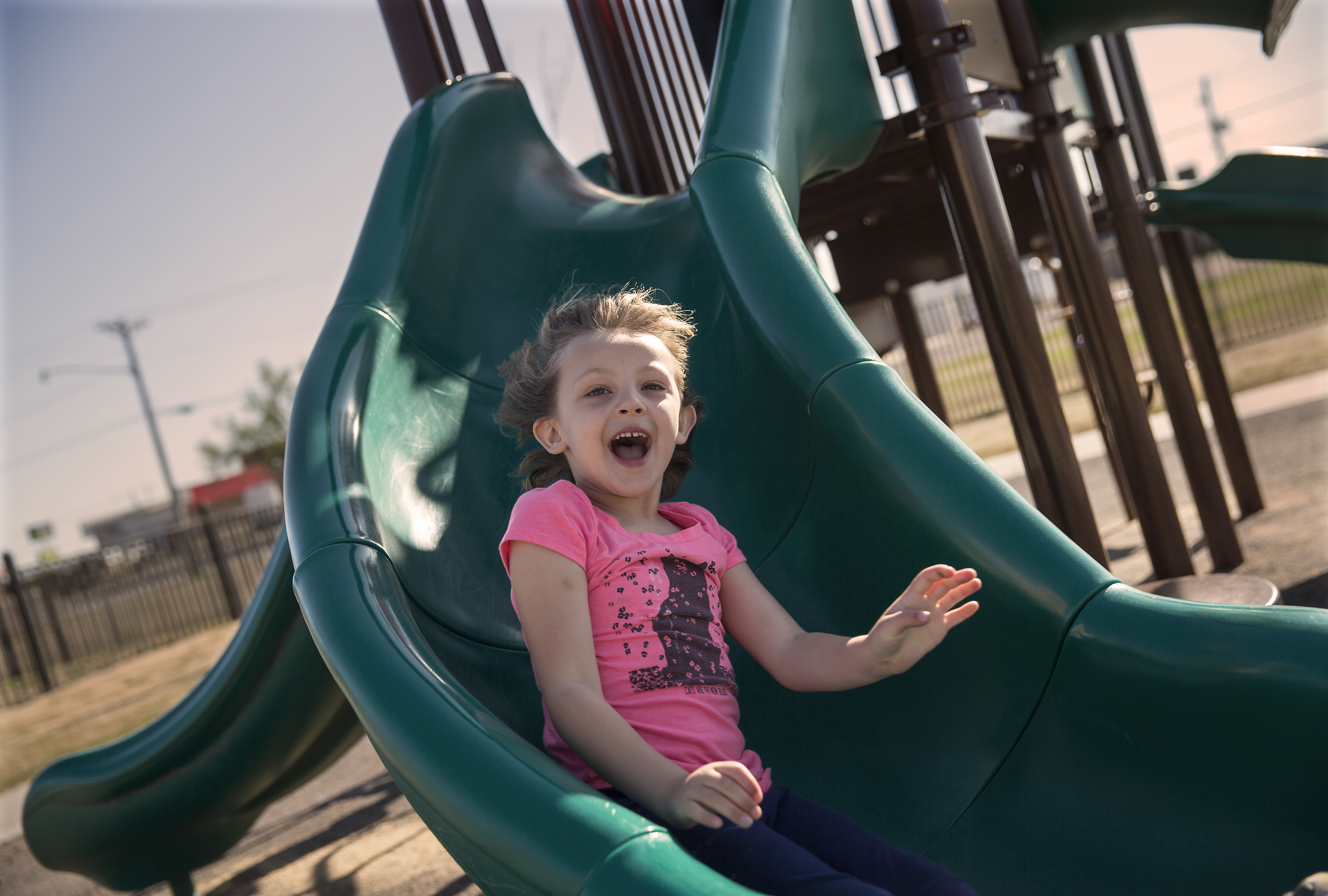
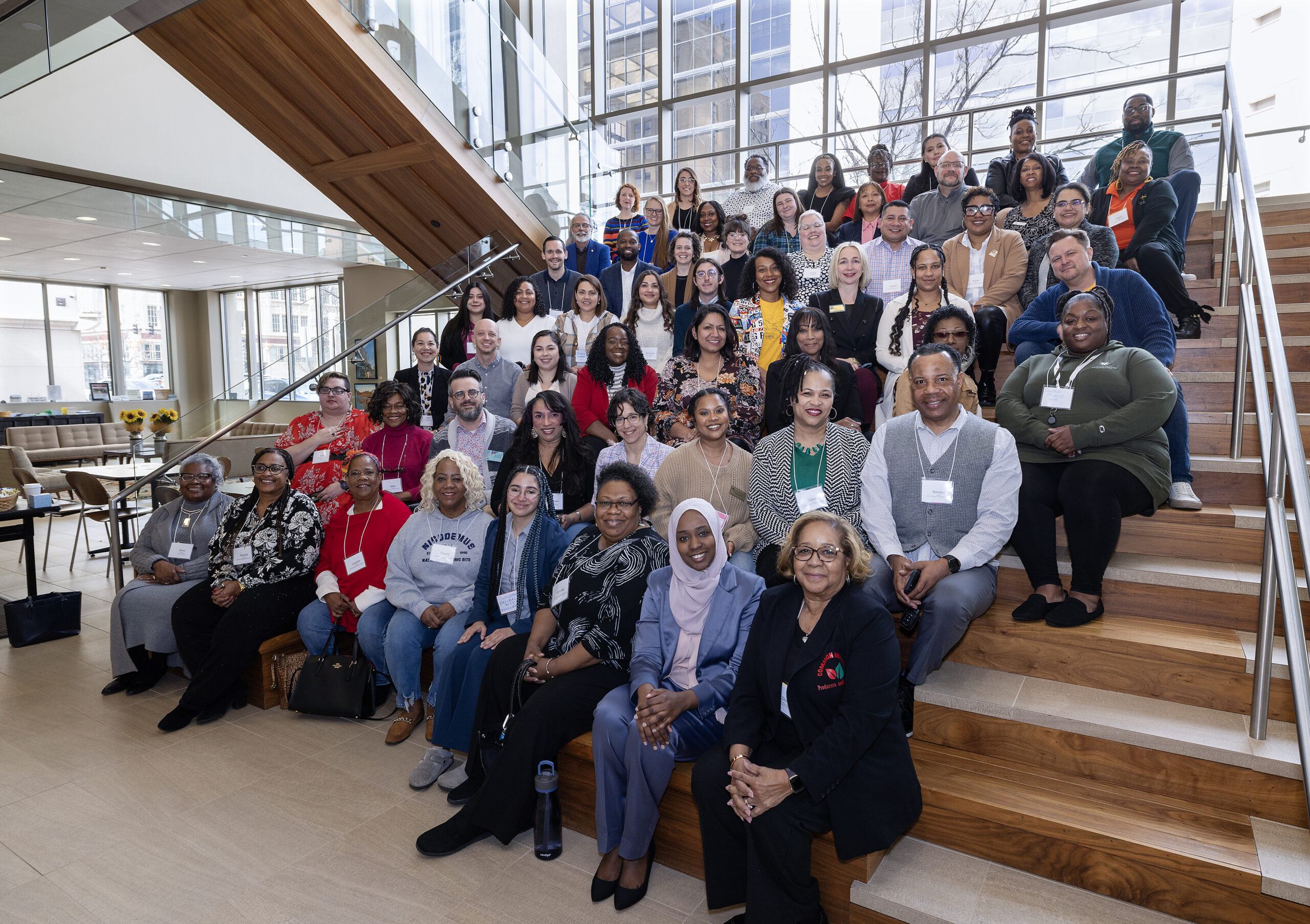
Visual storytelling—or telling stories through photos, videos and other non-text elements—is a powerful way to convey your message.
Visuals materialize your vision, making it concrete. They convey emotion, making it easier for your audiences to connect to your mission. And, while data and words are necessary and important, visuals are what truly make your impact visible.
After all, “a picture is worth a thousand words.”
What Makes a Powerful Story?
The most powerful stories, the ones that really resonate, are the true ones.
Authenticity is at the heart of every story I tell.
When I talk to nonprofits and other storytellers, I encourage them to focus on the authentic narrative and tell the real story without softening the harsh parts or exaggerating for effect. When your audience sees something real, they recognize themselves in it and connect more powerfully with your mission.
Once you have that foundation, you can start to build your story.
Getting Started with Visual Storytelling
Tell one story at a time.
Focus on a single objective in your story—especially if you want to inspire your audience to take action, such as making a donation, sharing your story or signing up to volunteer.
Use a storyboard.
Plan your photo and video shoots with a storyboard and script. Even if your visuals have no spoken or written words, use the script to explain what you want to capture.
Tailor your story to your different audiences.
The same story can speak to many people: your donors, partners, program participants, volunteers and more. You might want to change the call to action to inspire the response you want.
Create both short- and long-form videos.
Social media platforms like Instagram and TikTok are built on visuals, and most of the time, those videos have to be short. Videos on YouTube or hosted on your website can be much longer.
Plan for longevity.
Social media trends might be fun, but they are called “trends” for a reason. Tell stories that last, not just ones that get attention from fads.
Be accessible.
Video content performs well with music and scripts, but accessibility requires captions and transcripts. Alternative text on images can also help tell the story for people who are unable to visually access your story.
For nonprofits just getting started, don’t worry about getting the perfect shot or renting tons of equipment. Expensive cameras don’t tell stories. People do. And you can help them tell it with your smartphone.
Visuals give a voice to the people and communities you serve who might not otherwise be heard. When you tell those stories authentically, that’s when your mission really connects.