



Earlier this year, we announced our commitment to activate impact investments across the state as part of our effort to improve the health of all Kansans. As a reminder, when the Kansas Health Foundation talks about “impact investing,” we’re referring to investing part of our endowment to create place-based community impact to improve the health of all Kansans.
To do this well, we need more investors at the table and a shared infrastructure to support the work. So we invited other organizations to learn and invest alongside us.
But talking about “investing” from the perspective of a nonprofit foundation can be challenging because the language of philanthropy and the language of investments don’t always align. For example, in traditional grant-making, a foundation donates money to an organization with the expectation that the funds will be used in accordance with the grant’s requirements.
In impact investing, that same foundation invests “capital,” a broad term referring to intellectual or physical assets, including money, in an organization, with the expectation of a monetary return. Basically, if an investment were successful, we would want to see that money come back to us, so we can reinvest it in another project.
To truly create and scale the ecosystem of impact we want to see in Kansas, we all need to understand the language of investing, the role we play and the collaborative opportunities available to us.
Thanks to CoBank’s rural prosperity grant program, we’re putting together a program to convene and educate foundations, impact investors and intermediaries across Kansas to build this ecosystem.
Components of Building an Ecosystem
The CoBank grant has four components:
Co-Learning Experiences
Terms like “capital stack,” “due diligence,” and “servicing an investment” can make people’s eyes glaze over, especially when they’re not used to using them. To reach a shared language and understanding around impact investing, the CoBank grant enables us to facilitate co-learning experiences with other Kansas organizations committed to impact investing.
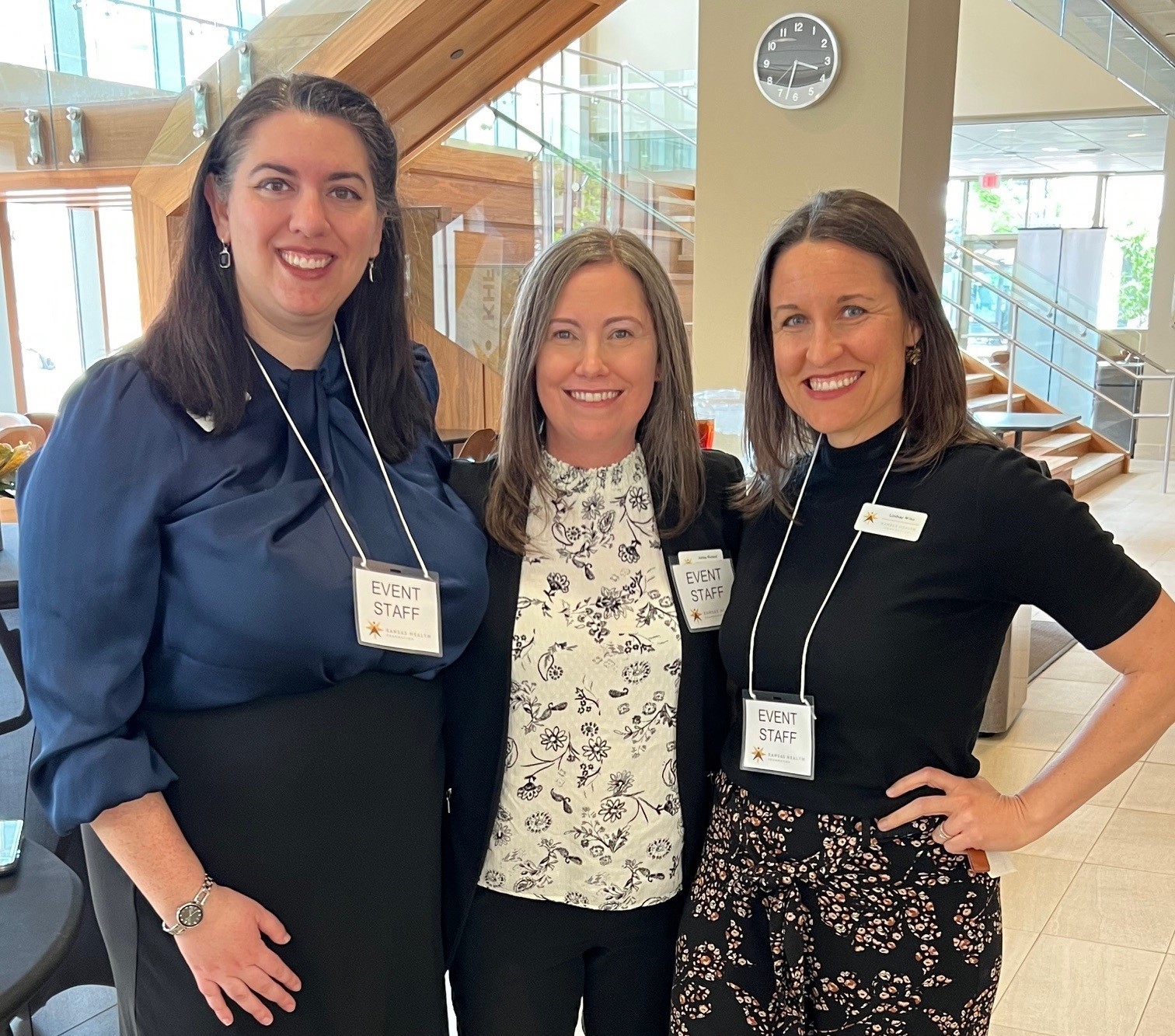
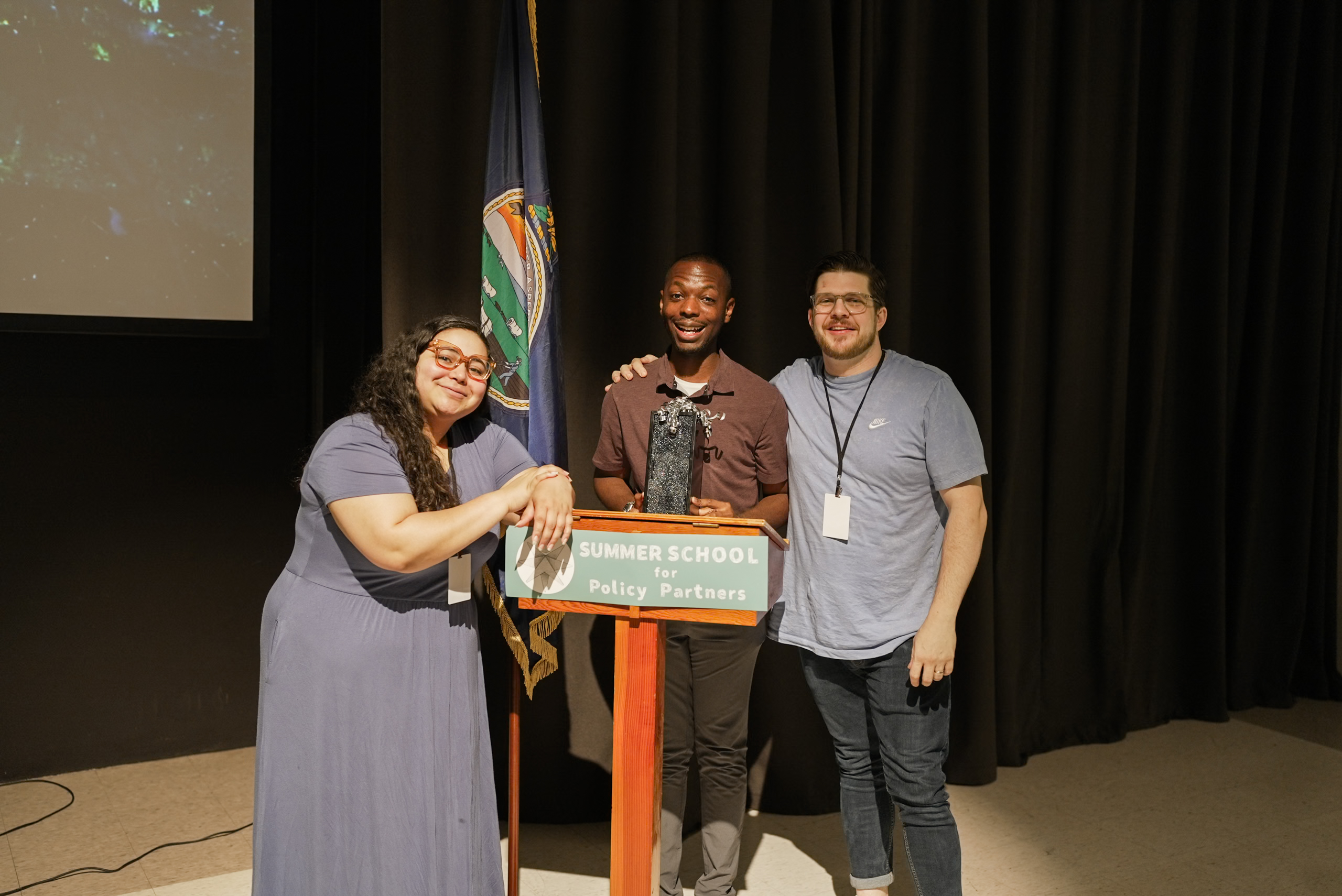
For our first co-learning experience, we invited members of community foundations, the Kansas Department of Commerce and other organizations to join us at SOCAP, one of the world’s largest convenings of the impact ecosystem.
Read more about the conference.
Quarterly Ecosystem Meetings
Designed to build relationships and create shared infrastructure, quarterly ecosystem meetings allow us to share our learnings with capital providers (such as Kansas Health Foundation), intermediaries (such as the Kansas Association of Community Foundations) and third-party service providers (such as Network Kansas).
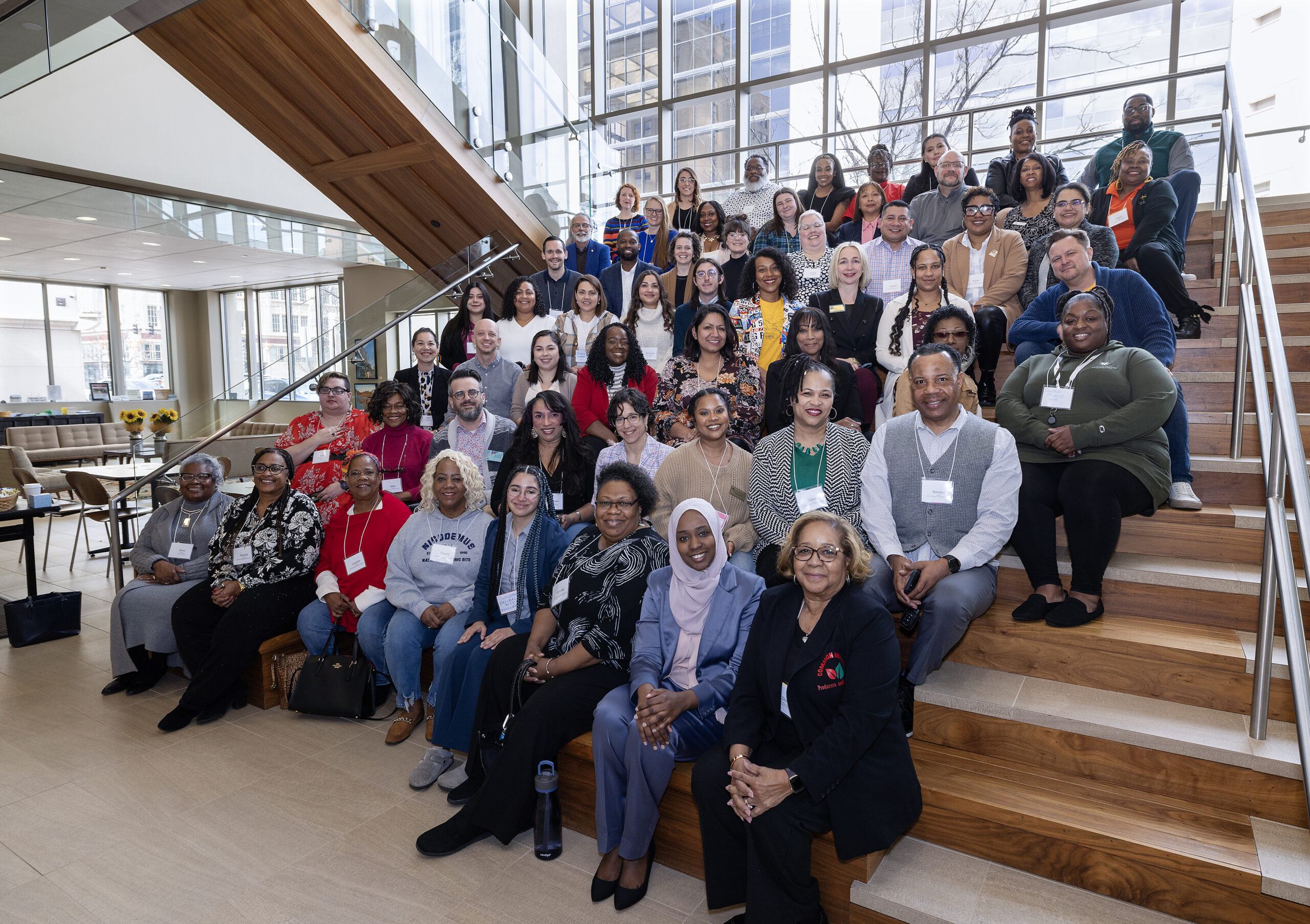
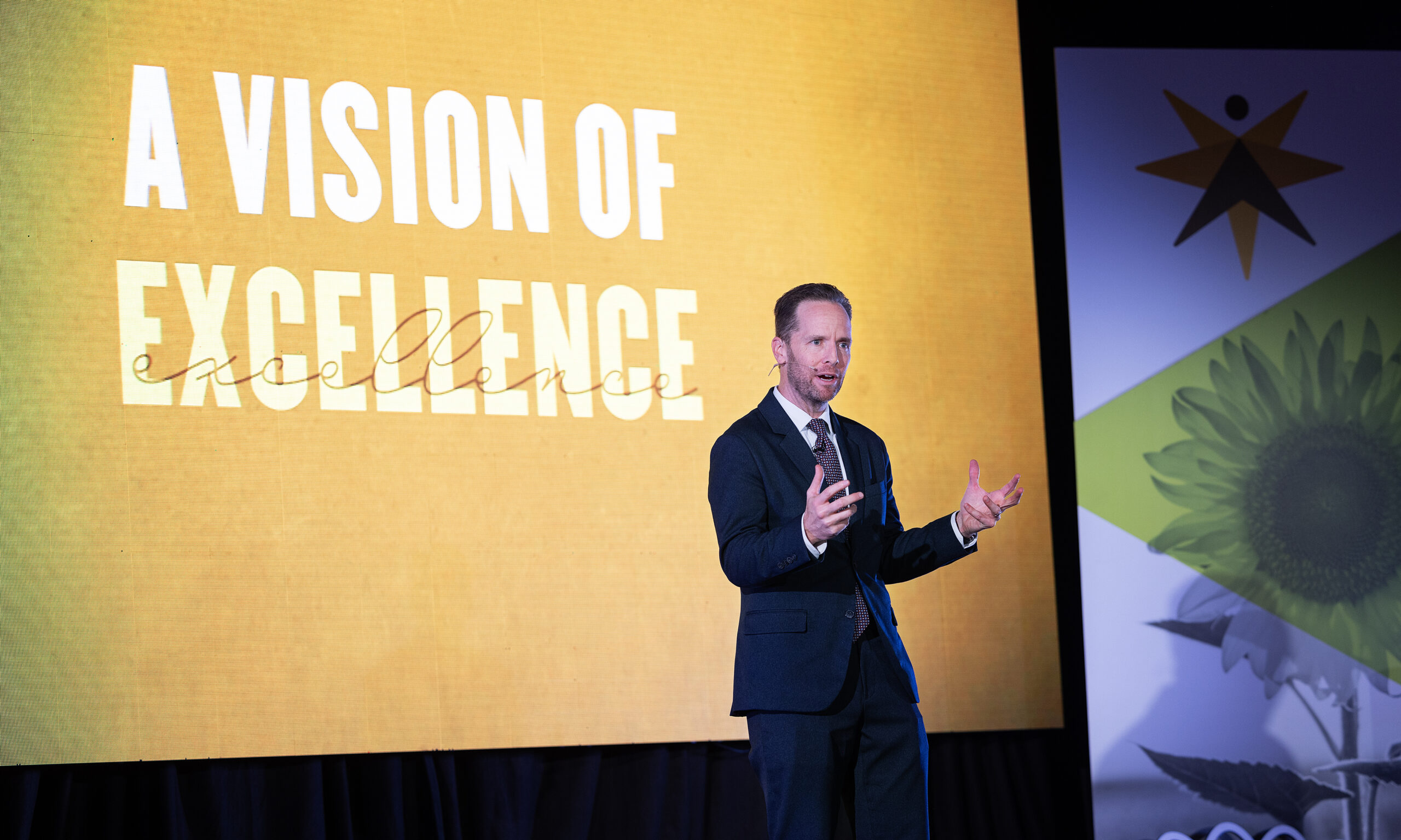
We held our first meeting the morning after HealthRise 2025 with national partners and impact investors from across the state, where we introduced the idea of an ecosystem map and discussed an advisory committee to ensure progress continues.
Due Diligence and Loan Servicing
Most community foundations have small teams and even fewer resources. They can’t be expected to service all of the investments. Even the Kansas Health Foundation wouldn’t be able to commit the team needed for this effort. The CoBank grant allows us to equip a third-party loan servicing partner with the funds needed to conduct due diligence for impact investments across the state.
Right now, those partners are spread out across the county. Our goal is to equip a partner with Kansas roots. After all, we want to keep these dollars at home.
Cohort for New Investors
In a perfect world, impact investments have different layers of capital, which means we need more investors across the state deploying it. Kansas Health Foundation might be the lead investor, but then we also want other investments to stack on top. To grow the impact investment ecosystem in Kansas, we need more impact investors.
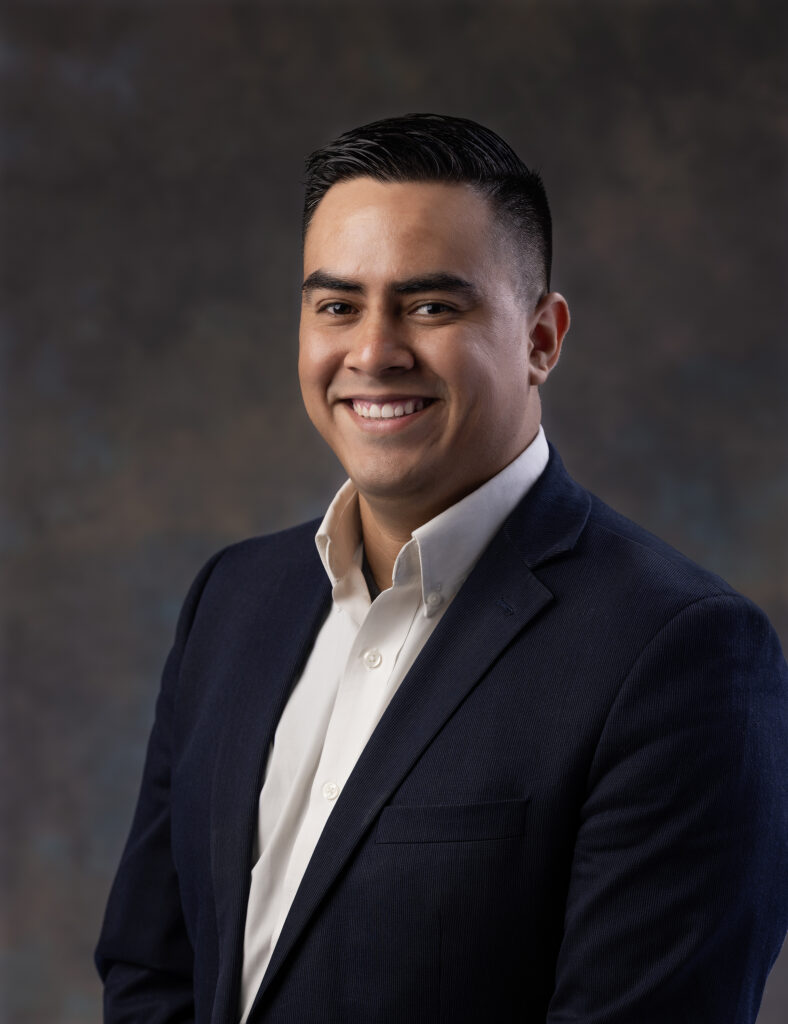
The CoBank grant allows us to facilitate a six-month cohort led by Travis Green, Project Director at the Community Investment Project, and other partners for new impact investors, such as community foundations, institutional asset holders and others, who have said they want to do this work but need help to get it off the ground.
Next Steps for Kansas
Kansas has good bones for building this type of ecosystem. We have many strong assets, but impact investing requires intentional coordination of resources around shared goals and a vision. Now, we’re working on fitting those pieces together.
As we begin and continue to build this ecosystem, we invite banks, community foundations, institutional asset holders, and more to learn with us, co-invest alongside us, and help shape a system that makes sense for our state.