










Wichita lost someone and something rare with the passing of Russ Meyer. As longtime Chairman and CEO of Cessna Aircraft Company, Russ had the kind of authority and influence that few others ever hold, and he chose again and again to use it on behalf of his community.
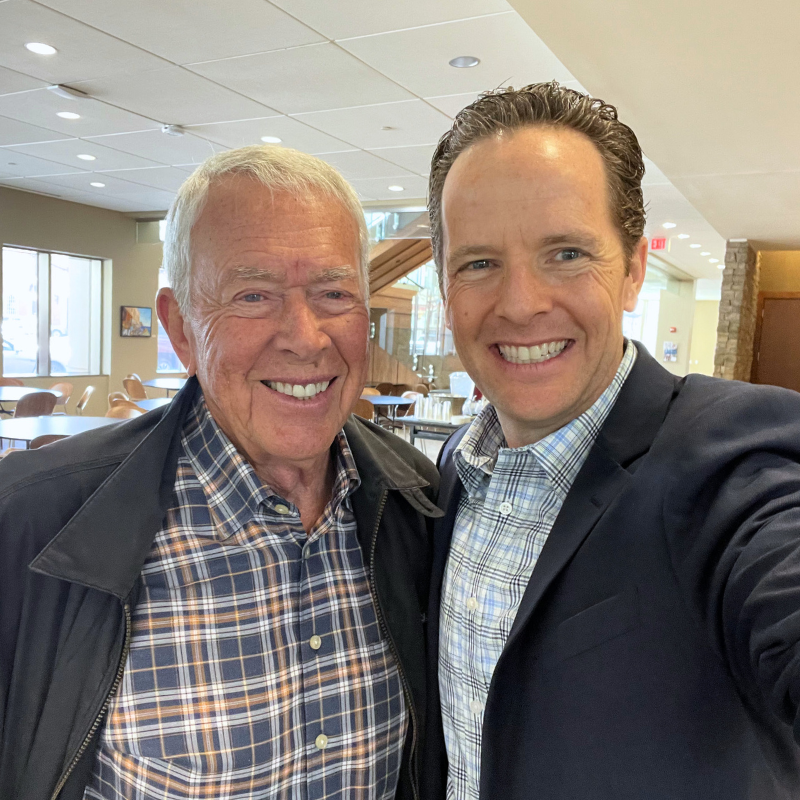
I met Russ nearly 20 years ago when I moved to Wichita. He was one of the first people to welcome me, and he became a mentor and a friend. We bonded over baseball, breakfast and all the ways we could help Kansas thrive.
Russ, of course, had already been at that work for quite some time when I arrived.
In 1986, he helped launch the Citation Special Olympics Airlift, an initiative that has transported thousands of athletes to the National Special Olympics Games and continues today. He established Cessna’s 21st Street Training Program, which led to job opportunities for hundreds of Wichitans in the early 90’s and was the vision for Textron Aviation’s recently opened Career & Learning Center. And he was instrumental in founding the Boys & Girls Club of South Central Kansas, which is still supported by Textron Aviation today through Wings for Dreams.
Russ exemplified what it means to exercise leadership from a position of authority. He leaned in and listened first. He engaged before he acted. He trusted the community to know what it needed and showed up as a partner in problem solving. And then he multiplied that work by mobilizing others in his circle to engage more, give alongside him and use their influence to shape their own communities for the better.
At the Kansas Health Foundation, that’s the third strategy in our strategic framework brought to life—and Russ lived it every day.
In Leading Health, we write about a group of Kansans we refer to as “the 30,000.” These people are elected officials, pastors, business executives and more who have outsized power and influence to shape the conditions of how we live here in Kansas.
Russ was one of the 30,000, and he understood the responsibility that came with it. We need more of the 30,000 to be like Russ.
Wichita—and Kansas—are better for having had Russ. As are the hundreds of people who found opportunity and community through the institutions he helped build, as well as the countless individuals he mentored along the way, including me, who are now doing their part to move the needle on issues that matter to their communities.
We are eternally grateful for the legacy he left us.