







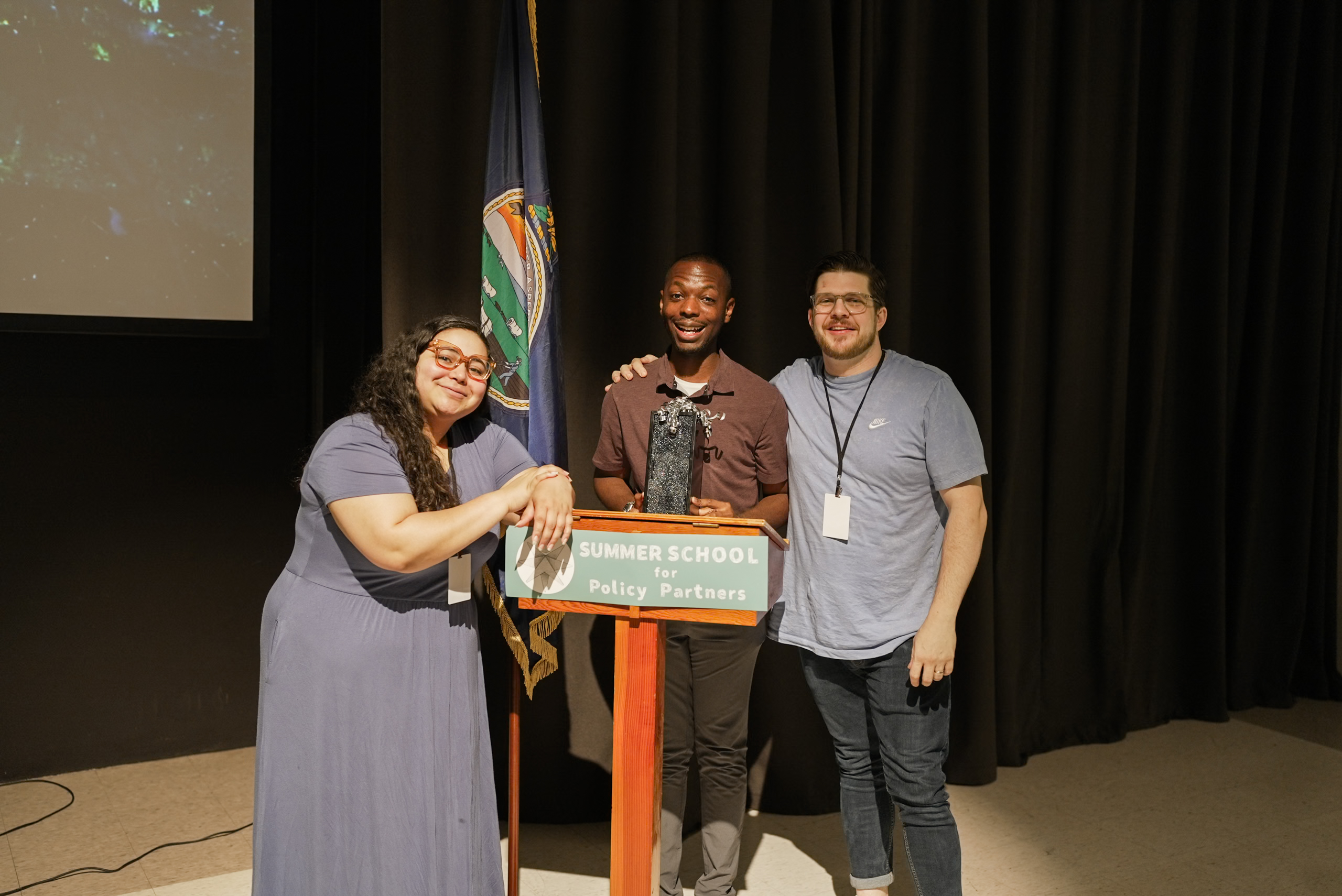


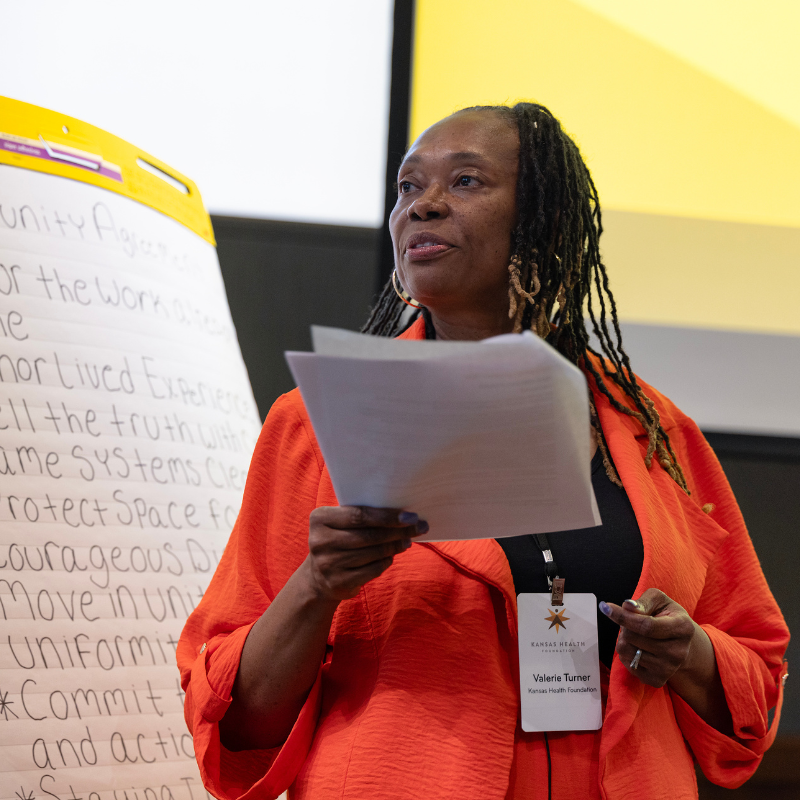
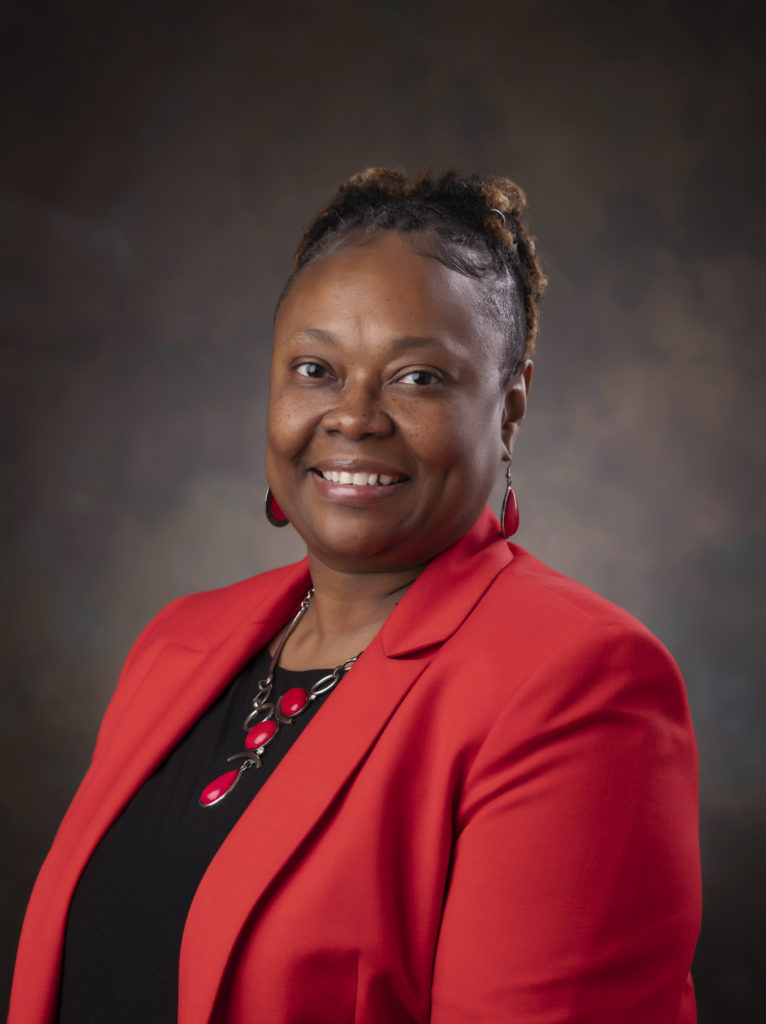
To close the Health Gap in Kansas, we need to mobilize a diverse group of organizations and individuals working across different sectors and in different regions of the state. A mosaic of businesses, communities, grassroots organizations, nonprofits and others that are all focused on eliminating the inequities that cause the greatest Health disparities so Kansas can lead the nation in Health.
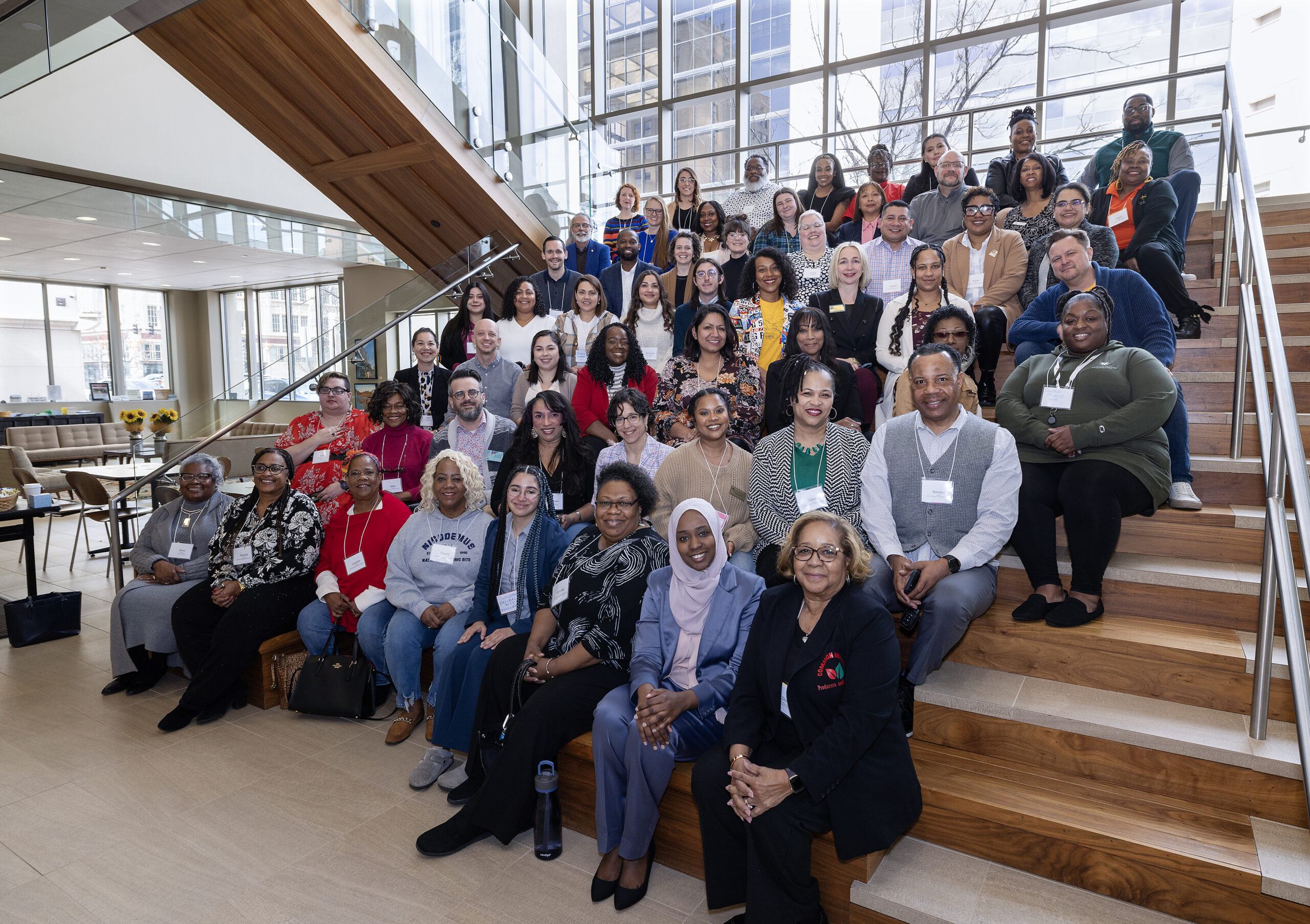
Made up of 40 core support partners and an ecosystem of other organizations, Kansas Health Foundation’s network is that mosaic. Our partners are working to improve all aspects of what makes up “health” in Kansas, including access to care, education, housing, workforce support and more.
And, every year, we gather with our core support partners at the annual Partner Summit to create space for them to connect, learn from each other and get clarification on where they fit within the ecosystem. It’s also a chance for us to help connect the dots between their work and Kansas’s progress in climbing America’s Health Rankings and to provide tangible resources to keep moving the needle.

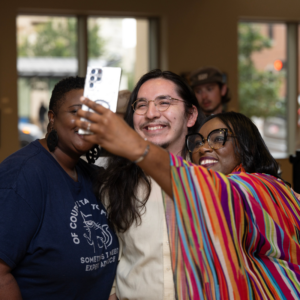
The theme of this year’s Partner Summit revolved around the nine mindsets outlined in Leading Health. Adopting these mindsets is what it’s going to take to close the Health Gap, so why wouldn’t we mobilize our partners with the resources they need to embrace them?
Each session was built around a mindset and interpreted what it could look like in their own organizations.
- Mindset #1: Work Upstream: Partners mapped their activities along a river—upstream, midstream and downstream—identifying where they could move work upstream to tackle root-cause challenges.
- Mindset #2: Work Systemically: Using a ladder framework for systems change, partners shared examples of challenges they’re working on and where they’re spending their energy on the ladder.
- Mindset #3: Race and Racism Matters: A panel explored the historical and systemic roots of racial health disparities caused by generations of inequities impacting the health of the Black population.
- Mindset #4: Create Collaboration: After mapping the network to identify gaps, partners made asks and offers to surface new connections to help their organizations expand.
- Mindset #5: Value Process and Structure: Partners learned to match the level of process and structure to the level of complexity of the work.
- Mindset #6: Policy Over Politics: Knowing values-driven work outlasts political movements, partners explored what it looks like to focus on community-centered change with decision-makers.
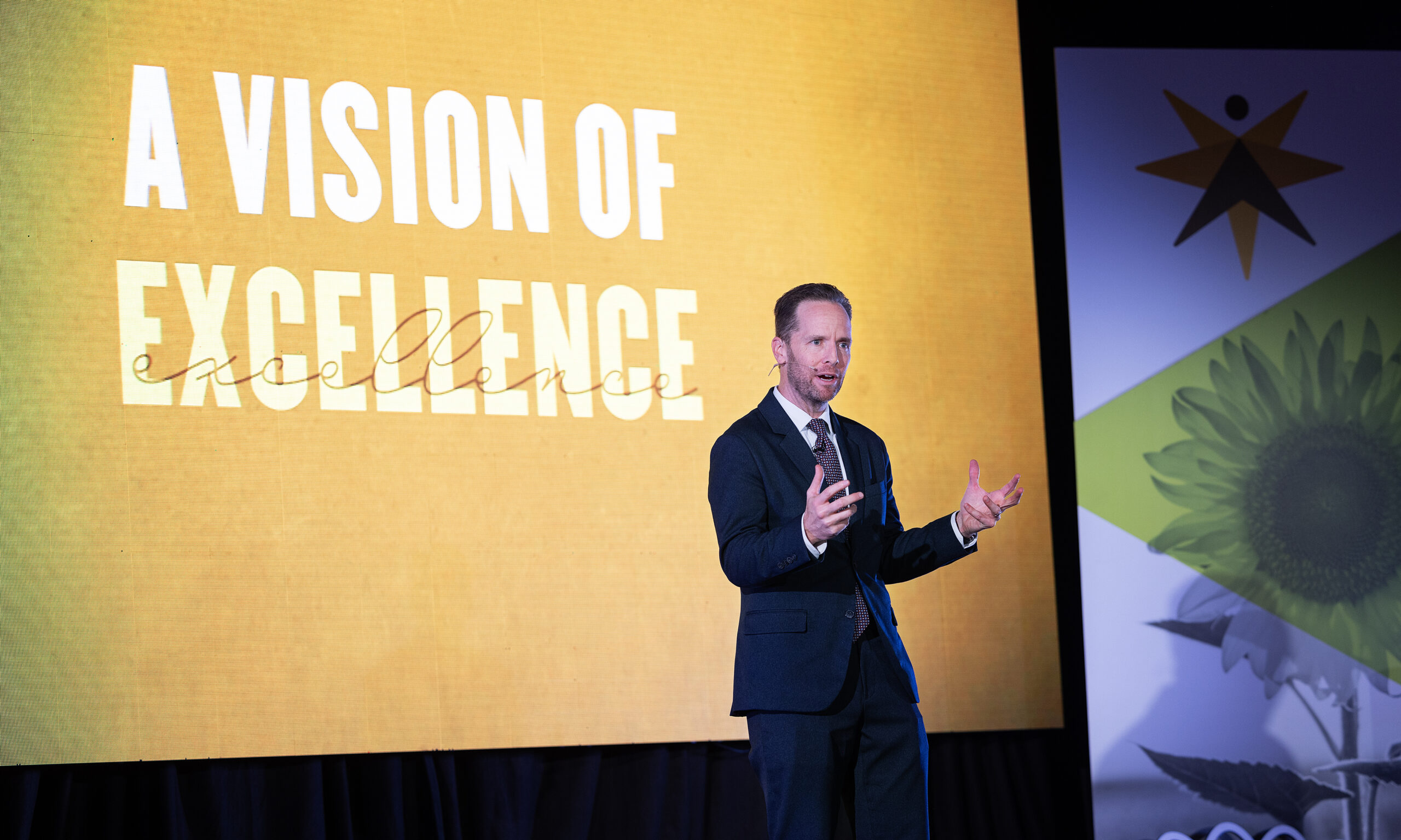
- Mindset #7: Embrace Bold Vision: Partners were challenged to think about what bold vision their organization is actually working toward and whether their day-to-day work is pointed at it.
- Mindset #8: Leverage Economic Forces: A panel shared how they’ve built revenue streams that advance their missions without depending solely on grants.
- Mindset #9: Make Metrics Matter: Partners learned a framework for connecting data and storytelling and walked through a four-part structure for turning a metric into a story that prompts action.
Each mindset came to life through real-world examples and strategies our partners could take on, but one session stood out.
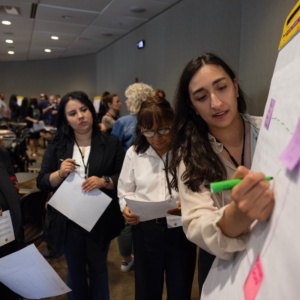


Based on “Mindset #4: Create Collaboration” in Chapter 15 of Leading Health, we led our partners through an exercise to map the network. Partners were able to see how they connected to each other, where gaps existed between them and who they hadn’t yet connected with.
The impact of the exercise was immediate.
- Donna Pearson McClish, CEO at Common Ground Producers & Growers in Wichita, discovered the work of the Kansas Food Action Network and walked away with a new opportunity to expand and scale her organization’s reach.
- Shelley Coulter, new to her role as Executive Director at Groundwork Northeast Revitalization Group in Kansas City, felt the weight of isolation lift, surrounded by organizations doing similar work.
- Michael Odupitan, CEO of Omni Circle Group in Topeka, gained a sharper sense of how to be strategic and intentional with collaborations.
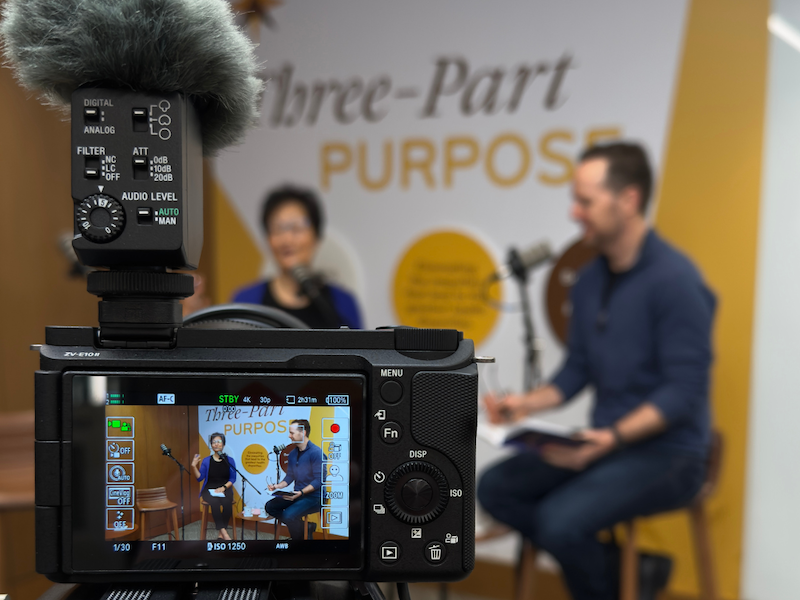
One of the most meaningful moments of the Partner Summit was during my session based on “Mindset #3: Race and Racism Matters,” Chapter 14 in Leading Health.
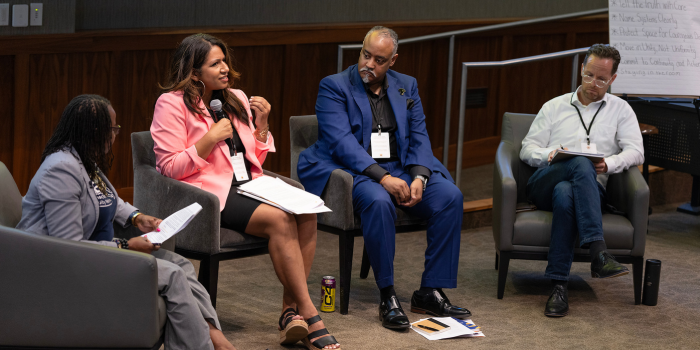
During the panel discussion, KHF President & CEO Ed O’Malley shared his own experience and revelation of what racism looks like from a systemic perspective, and then he listened. Without interruption, without interjection, he took in the experiences of our panelists and partners in the room.
What better way to show others how to implement the mindsets than doing it ourselves?
Closing the Health Gap in Kansas isn’t the work of one organization. Every piece of the mosaic matters. Over the coming months, we’ll be sharing the same resources we shared at the Partner Summit to help others explore the mindsets within their own organizations and communities.
You can get a head start by claiming your copy of Leading Health, tuning into the Leading Health Podcast and signing up for our monthly newsletter, Health Happenings, where we share more stories and resources.