









Related content
Mobile cooking cart sparks community interest, fills need
Mobile cooking cart sparks communi...
Parsons Public Library launched its “Let’s Cook!” program in spring 2025.

Therapeutic Day Services Bring Stability, Care for Foster Care Youth
Therapeutic Day Services Bring Sta...
The Therapeutic Day Services Program is the first of its kind in Kansas, and is a partnership between EmberHope Connections and Mental Health America of South Central Kansas.

How Language Access is Expanding Support for Kansas City Single Mothers
How Language Access is Expanding S...
For many single mothers, walking into The Single Mom KC’s Clothed with Dignity Boutique is unlike anything they’ve experienced before.
At EmberHope Youthville’s psychiatric residential treatment facility, something as simple as a protein snack and water is helping stabilize emotions and improve outcomes for youth.
EmberHope, a child welfare organization with nearly a century of service, supports children and families across Kansas through residential care, foster care, case management, and in-home behavioral health services. On its Newton campus, the residential treatment facility primarily serves girls ages 12 to 18, many of whom have experienced trauma, poverty, and food insecurity.
Staff began noticing a consistent pattern: youth were becoming dysregulated between meals, especially during the after-school hours of 3 to 8 p.m. After a full day of school and structured activity, Nickaila Sandate, EmberHope president and CEO, said many youth struggled with fatigue, emotional overload, and unmet physical needs like hunger and dehydration.
While informal snack support had existed through donations, funding gaps made it difficult to sustain. With support from a KHF grant, EmberHope formalized the approach, by introducing consistent snack and hydration breaks during peak times, paired with Trust-Based Relational Intervention (TBRI), a trauma-informed care model the organization has been implementing over the past several years.
“We recognized that water and a snack really help on multiple levels with these youth – with blood sugar, stability, digestion, and overall regulation,” Sandate said. “And we can directly attribute that decrease in incidents between 3 and 8 p.m. to this program.”
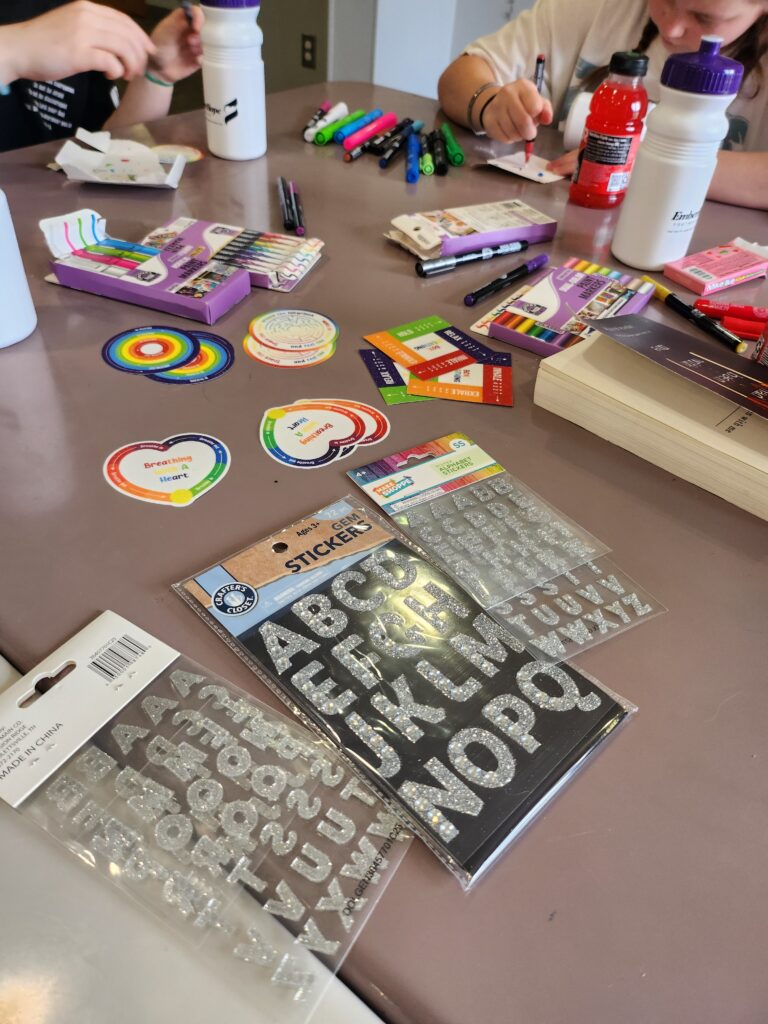
The program reflects a core TBRI principle: “connect before you correct.” By meeting physical needs first – by offering water, electrolyte drinks, and snacks like protein bars, beef sticks, fruit, cheese, and nuts – staff create opportunities for trust and connection before addressing behavior.
“A lot of these kids haven’t historically always had their needs met by adults,” she said. “So we’re building relationships with adults in a trusting situation, we’re meeting a need, we’re connecting, and then we’re better able to correct behaviors.”
Youth are encouraged to eat and drink as needed, reinforcing both autonomy and consistency. Over time, these routines have become expected, and youth now ask for snacks and hydration, signaling a shift toward self-awareness and regulation.
Better Outcomes for Youth and Families
The program has contributed to meaningful improvements since its formal launch in June 2025, Sandate said. EmberHope has served 37 families through its residential treatment program, with 82 percent of youth remaining safely in their homes. School attendance has improved for 68 percent of youth, and overnight disruptions have decreased by 25 percent.
Staff also report fewer behavioral incidents during peak hours, improved emotional stability, and stronger engagement in therapy and daily routines. The overall living environment has become more stable and connected.
“The KHF grant directly supported a low-cost, high-impact intervention that addressed a critical underlying need – nutrition and hydration as a foundation for regulation,” said Tricia Wells, EmberHope Youthville TBRI and resiliency integration manager. “By aligning snack and hydration times with data-driven patterns of dysregulation and embedding them within TBRI-informed care, the program improved both behavioral outcomes and therapeutic engagement for youth served.”
The impact extends beyond immediate behavior. Improved stability during the day supports better academic engagement, social interaction, and long-term progress. Staff also note that when youth are more regulated, the program can serve more individuals effectively – an important factor in meeting the community need.
The approach represents a broader shift in care, Sandate said.
“We love that you go from ‘what’s wrong with this kid’ to ‘what does this child’s body need right now to help them get out how they are feeling physically and emotionally?’ That’s such a shift, even sometimes for adults and for our staff,” Sandate said.
That mindset continues after youth leave residential care.
EmberHope provides up to six months of aftercare support, equipping families with tools to replicate these strategies at home by encouraging after-school snack routines, hydration, and consistent connection.
“We take responsibility for ensuring that what we’ve learned – and what has proven successful – is shared with families through aftercare when their child returns home,” Sandate said. “Given the success of this program, we plan to continue it indefinitely.”
Looking ahead, EmberHope aims to expand the program to additional campuses and strengthen partnerships with schools, while also building sustainable funding sources to ensure its long-term impact.
To learn more about EmberHope and its programs, visit emberhope.org.
###