


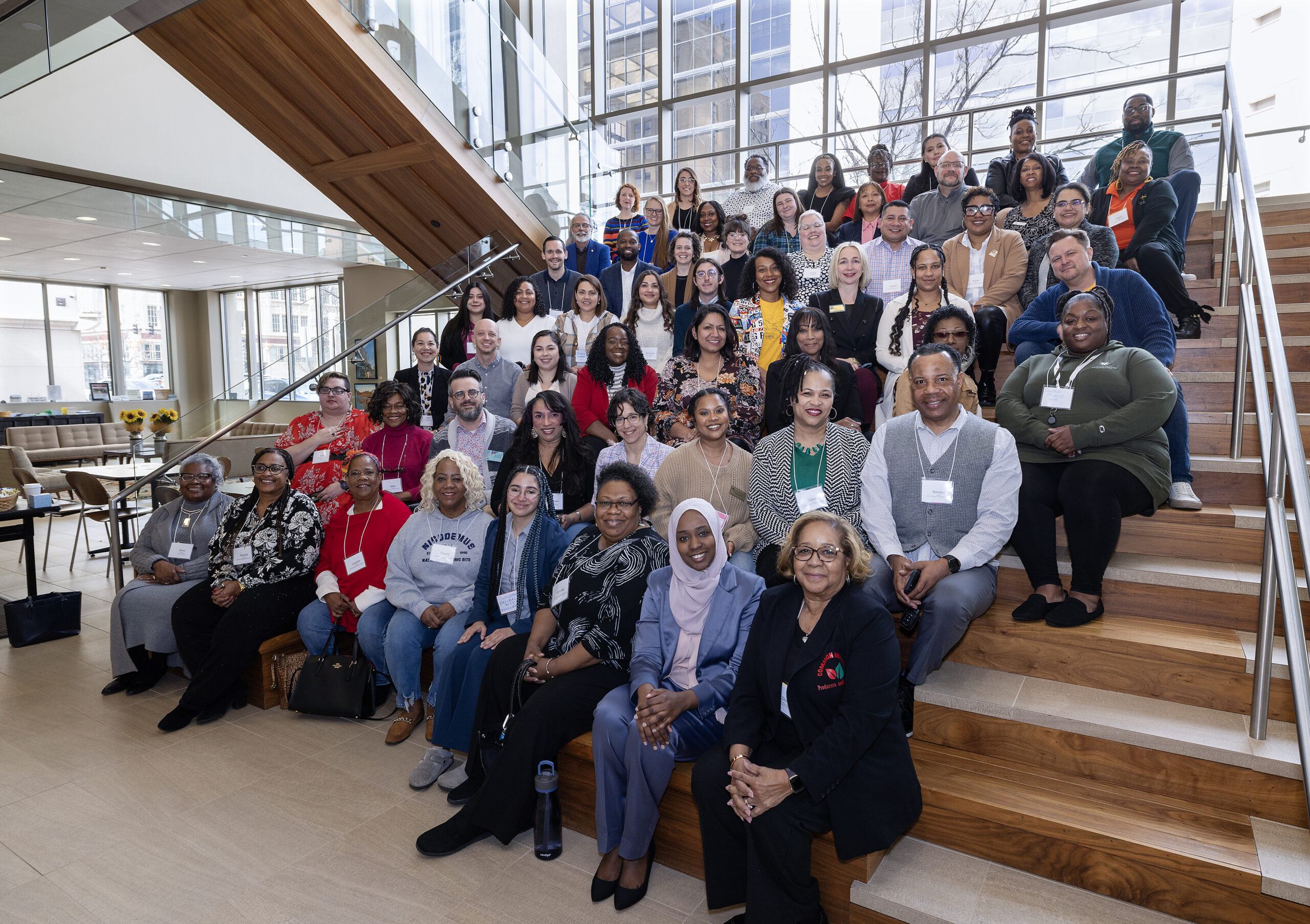






The Kansas Health Foundation is a convener, bringing people together to connect and learn through collaborative processes aimed at solving tough challenges. We convene our partners, grantees and experts from the business, government and nonprofit sectors, among others, at events throughout the year like FuseKS and HealthRise.
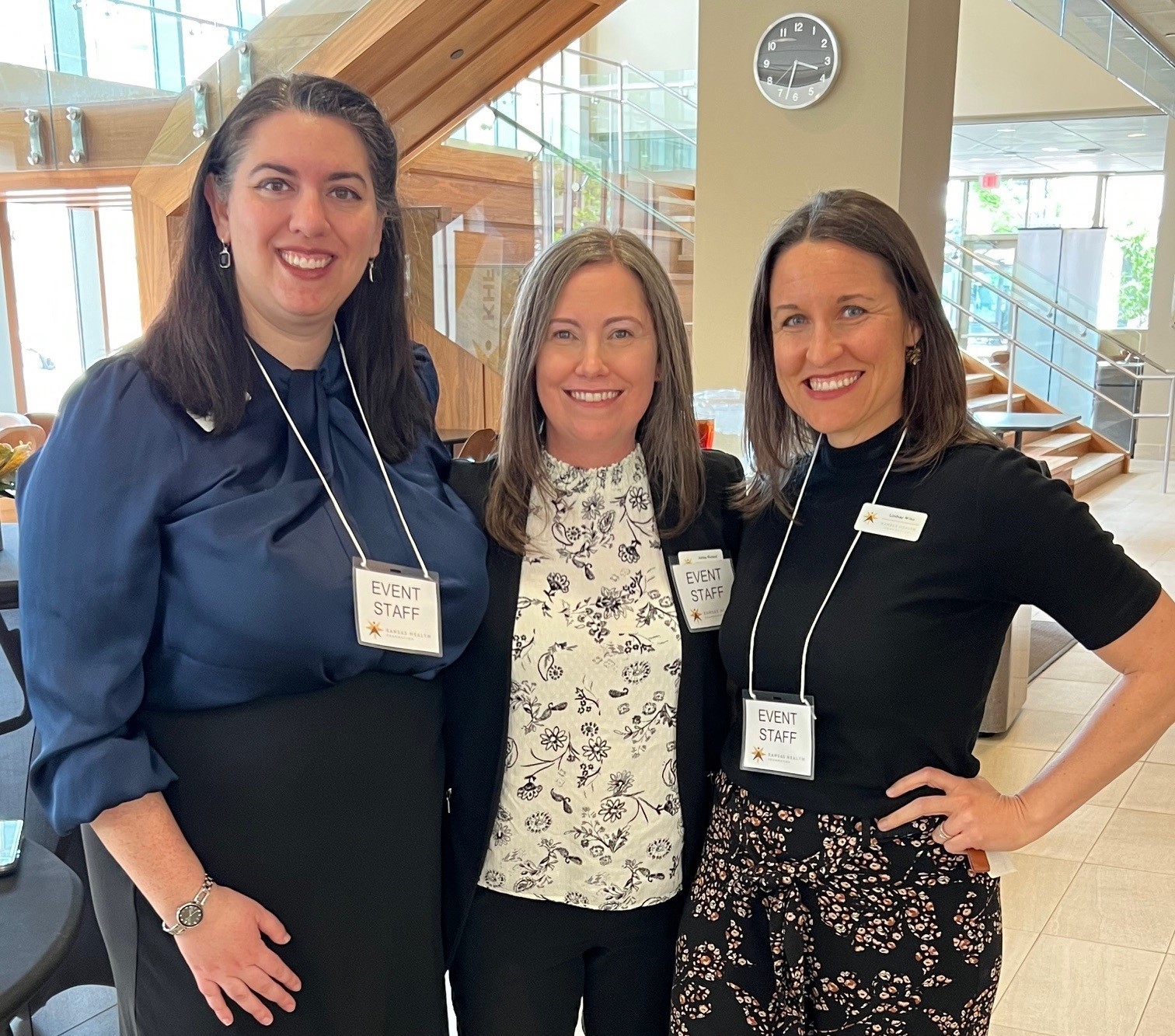
We also support our partners in their convenings. Alongside our neighbors at the Kansas Leadership Center, we recently hosted and sponsored the 2026 Networked Conference by Network Kansas, a statewide network helping entrepreneurs start and grow their businesses.
This year’s conference delved into topics such as access to capital, entrepreneurship and impact investing, which relate directly to our latest major health challenge: Upward Mobility.
Upward Mobility, as we define it, is the ability to stabilize, thrive and make choices over time without losing connection to culture, community or self. Recently, we convened advocates, experts and officials at FuseKS on the topic of Upward Mobility. After two days of deep discussion and active collaboration, we left with a Blueprint for Upward Mobility carrying 11 strategies to combat income inequality in Kansas.
Access the Blueprint for Upward Mobility
Network Kansas is perfectly positioned to support several of the strategies outlined in the Blueprint, especially in strengthening the entrepreneurial ecosystem’s access to capital, infrastructure and long-term operational support. Their key services include facilitating loans and equity investments as well as grantmaking and impact investing.
Impact investing, specifically, is a key topic for the Kansas Health Foundation. We’re now in our second year of developing a social impact portfolio and strategy with the goal of building up the ecosystem in Kansas.
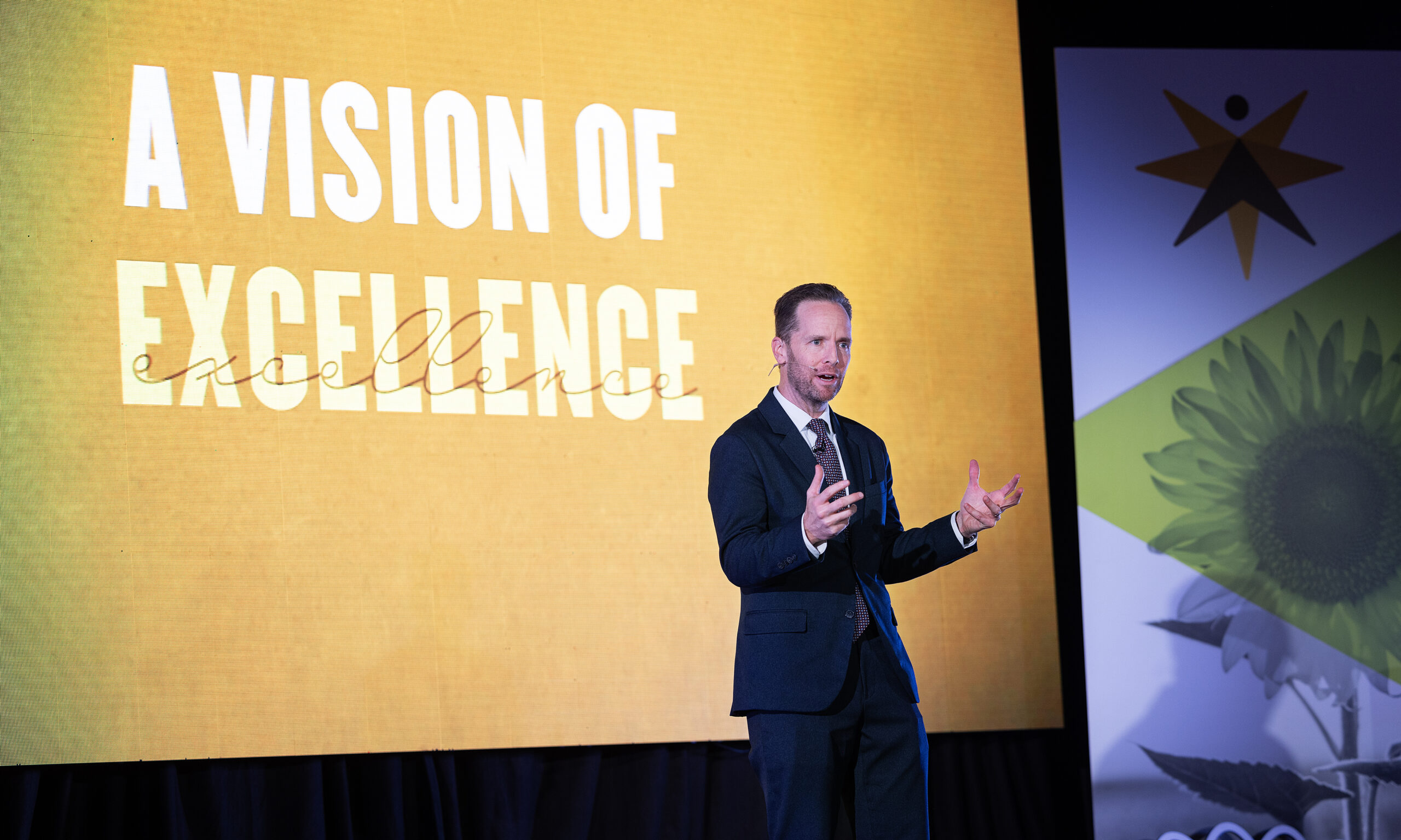
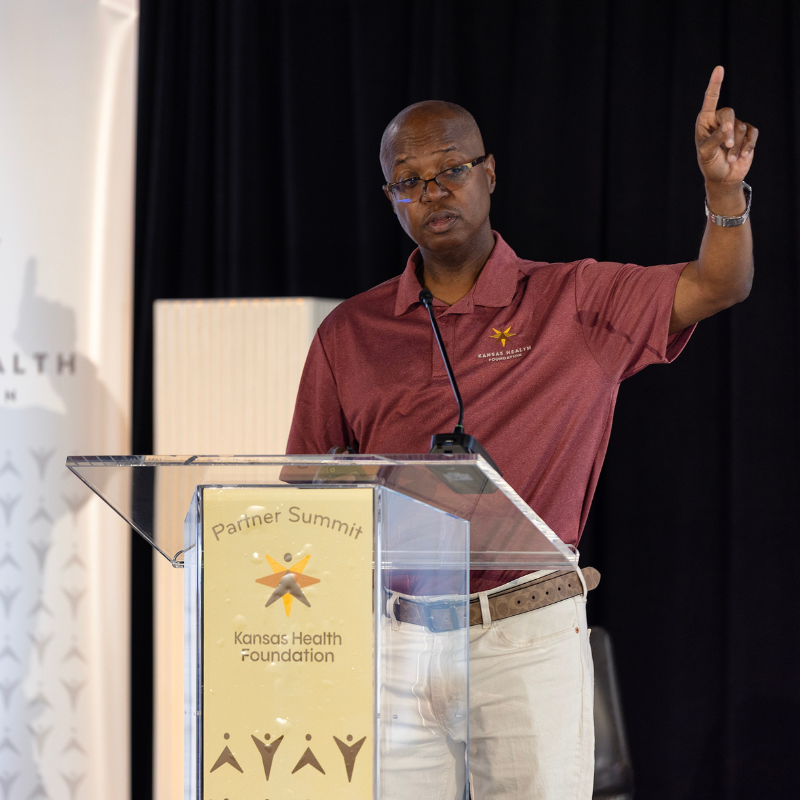
At the conference, I participated in a huddle session focused on impact investing with co-presenters Steve Radley, CEO at Network Kansas, and Kari Mailloux, Director of Strategy at the Hutchinson Community Foundation. Our session explored the history of impact investing and how these investments can make a difference for communities across the state. We also discussed each of our organizations’ goals in launching an impact investment program.
Kansas Health Foundation’s goal is to build a portfolio of place-based community impact that improves the health of all Kansans and advances our purpose to lead the nation in health. One of the ways we’re developing this portfolio is through dedicating funds from our endowment to businesses and organizations working on our biggest health challenges, but even our endowment is a drop in the bucket compared to the need.
We cannot do it alone.
Alone, we cannot reach every community in Kansas.
Alone, we do not have the bandwidth, manpower or money to accomplish this strategy.
That’s why we partner with other funding organizations, including banks, community foundations and institutional asset holders, and that’s why convenings like the Networked Conference are so important. The more people we bring together, the more we collaborate on tough challenges and bold solutions, the more resources we bring alongside us — the bigger the impact we can make.
Right now, we’re running an Impact Investing Accelerator program, working to build the social impact ecosystem in Kansas and mentoring five community foundations across the state to develop impact investing programs within their organizations. By growing institutional capacity and expertise, the program helps expand the availability and impact of mission-driven capital. But we need the entire state, every community whether urban or rural, to wrap their arms around this strategy and carry it with us.
The 2026 Networked Conference and similar events are great opportunities for these collaborations to occur. Other partners like Black Entrepreneurs of the Flint Hills, Create Campaign and the Black MasterMind Group host similar opportunities like these, and I would encourage anyone to get involved in these spaces.