










This article is part of the nine mindsets series based on the book Leading Health: How You and 30,000 Kansans Help Communities Thrive. The series was presented at Kansas Health Foundation’s annual Partner Summit in 2026.
The world is political, but we tend to conflate “politics” with “identity.” For example, it can be hard to separate our identities from what we think our government should be doing. Likewise, it can be equally difficult to separate others from their own politics.
When we talk about politics, we’re often talking about people. That’s why there’s tension when we share space with people who disagree with us politically. When we talk about policy, we’re focused on finding solutions to the problems we’re facing.
In Leading Health, Mindset #6: Policy Over Politics asks us to navigate that conflict and lean into the tension so we can operate within our political systems, keeping the conversation focused on policy so we can influence change.
Get your copy of Leading Health
Three Paths to Policy Change
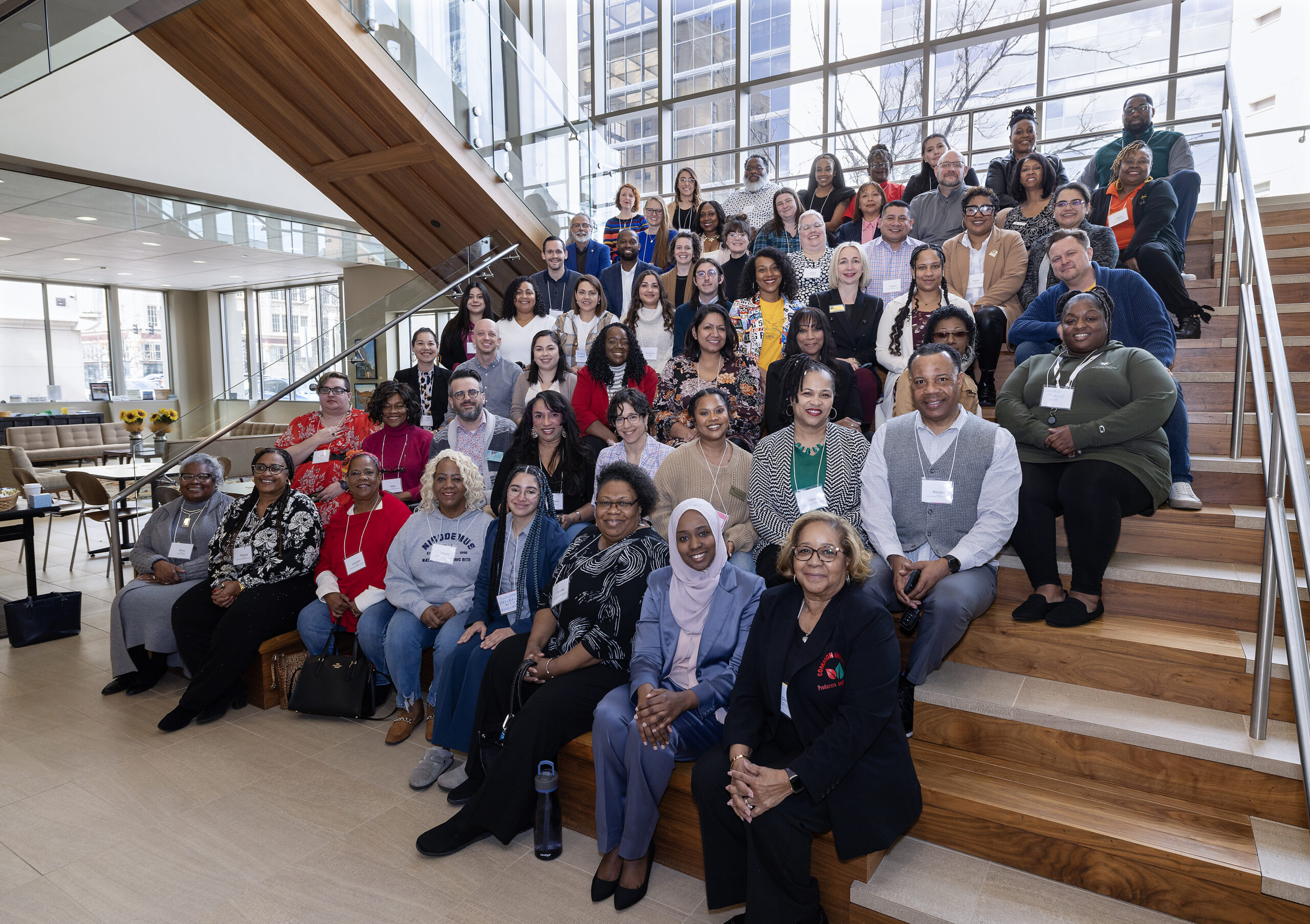
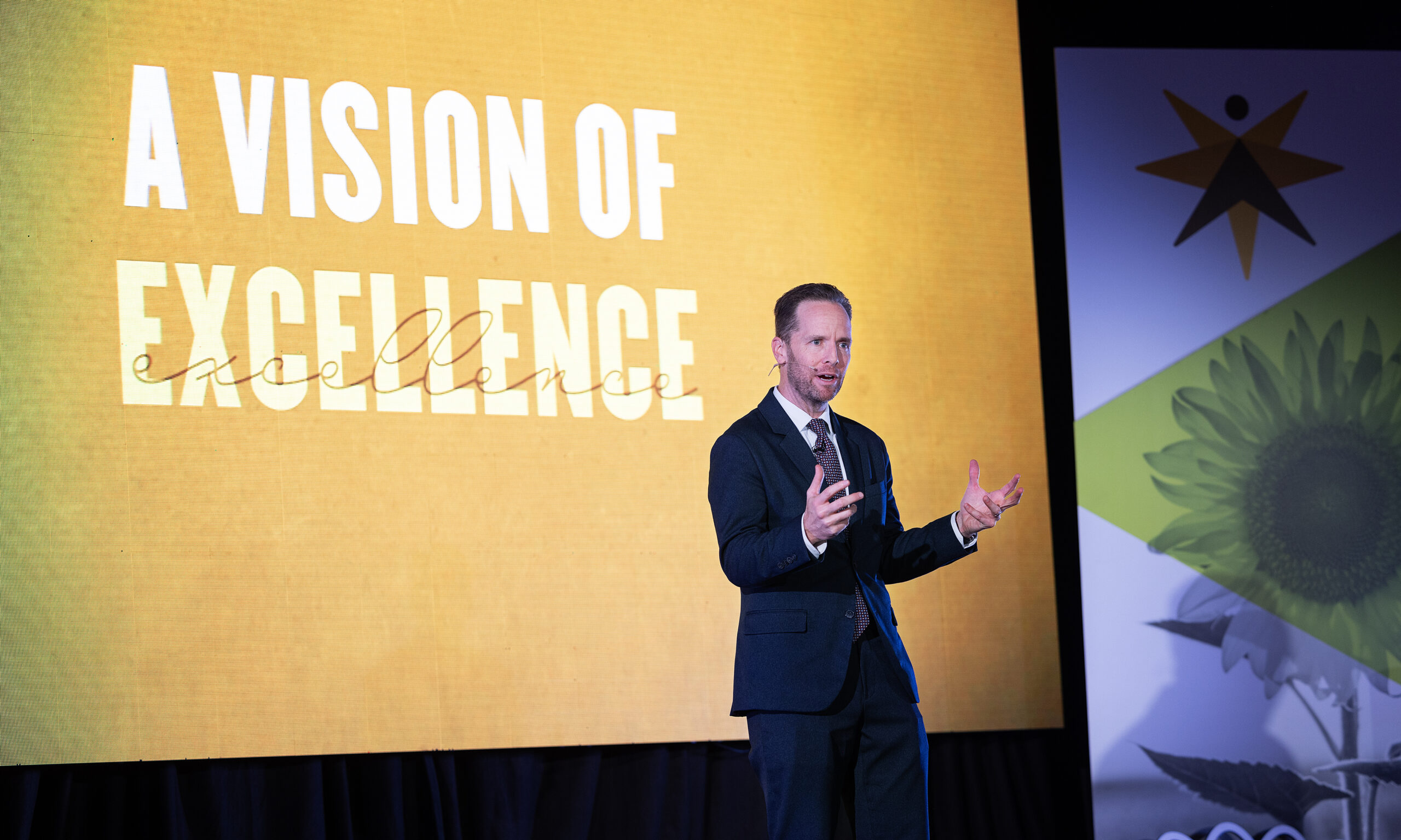
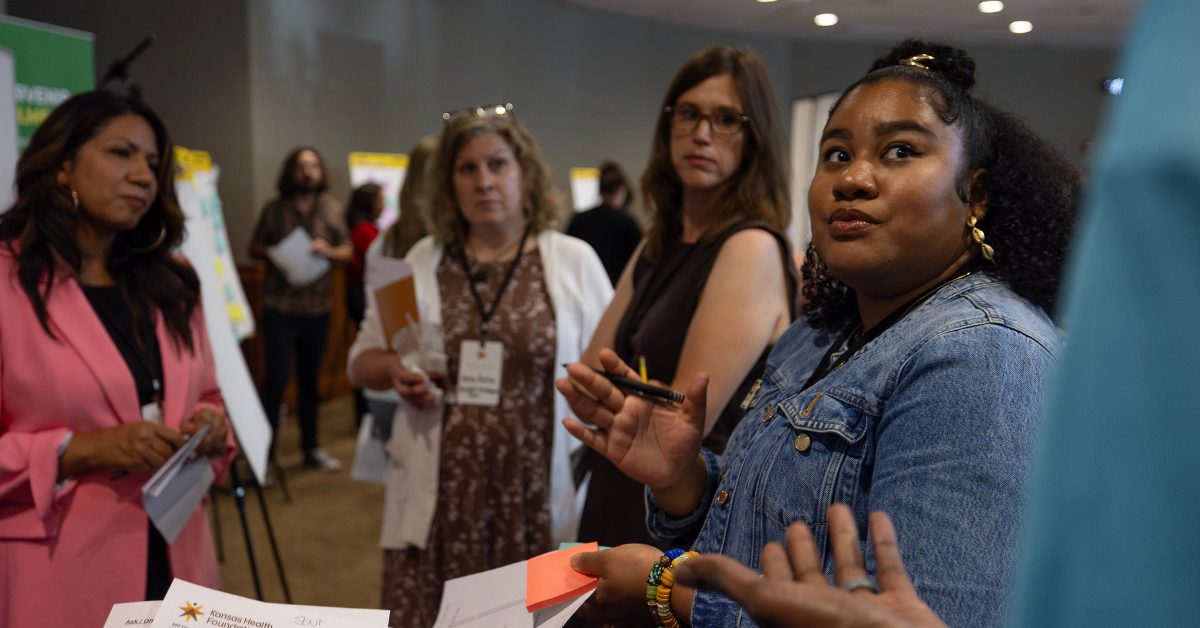
During the 2026 Partner Summit, we led our partners through a discussion on Policy Over Politics: Influencing Change and highlighted three ways policy change comes about.
Through a Lone Hero: A lone hero is a singular leader—an elected official or someone else in an authority role—with an idea and the power and influence needed to implement it. They carry it until they lose or leave.
Through a Forcing Moment: One of the most common ways policy change happens is when a political moment forces a quick decision. In it, we reach for the closest thing and shove it into place. The next moment undoes it all.
Through a Blueprint: Built with the community and grounded in evidence and lived experience, a Blueprint is a roadmap for policy change. At the Kansas Health Foundation, we collaborate with a broad coalition of people and organizations to develop a shared plan that can outlast politics.
Explore our major health challenges
Leaning Into the Tension
We know it’s easier to mobilize people and organizations we agree with than those who oppose our politics. Sheila Ellis-Glasper, Co-Founder and Executive Director of Black Entrepreneurs of the Flint Hills, shared what it looked like when she had a conversation with someone she disagreed with.
A state senator reached out wanting to recognize Black Entrepreneurs of the Flint Hills on the Senate floor. The recognition would bring visibility to their work, but Sheila was torn because she disagreed with the senator’s politics and found that several of his policies had negatively affected the people her organization serves.
She responded, saying: “We are interested, but I would like to have a conversation with you first.” In that conversation, Sheila named the tension and explained how his policies had affected the people her organization serves.
“I don’t know if I changed his mind, but we had a great conversation.”
– Sheila Ellis-Glasper, Co-Founder and Executive Director
Black Entrepreneurs of the Flint Hills
Black Entrepreneurs of the Flint Hills agreed to do the recognition, and the senator later became a donor and wrote letters of recommendation for the organization’s tax-exempt status.
Sheila kept her conversation with the senator on policy. Take a look at the issues you’re working on in your own organization. Are you working on the politics of it or the policy? How can you shift toward policy?
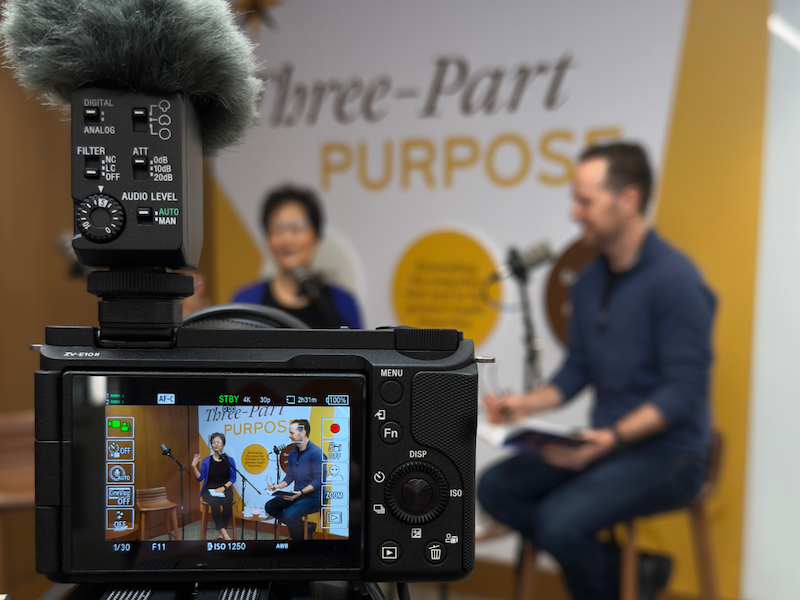
Dive deeper into Mindset #6 in this episode of the Leading Health podcast