











This article is part of the nine mindsets series based on the book Leading Health: How You and 30,000 Kansans Help Communities Thrive. The series was presented at Kansas Health Foundation’s annual Partner Summit in 2026.
How many times has a funder asked: “What’s your sustainability plan for funding?” Is your typical answer: “Grants?” What happens when grants aren’t the sustainable option?
As nonprofit directors we can’t rely solely on that type of funding for sustainability. To make a real impact, we have to get the larger economic system working for our organizations.
In Leading Health, Mindset #8: Leverage Economic Forces asks us to identify the value our organizations already create and leverage that value as sustainable revenue streams.
Get your copy of Leading Health
An Opportunity Mindset
Nonprofits have been conditioned to ask: “Where can we find funding for this idea?” Imagine if we thought more like an enterprise and asked: “How can we leverage the value we’re already creating to strengthen our mission?”
“Don’t ask who will fund this. Ask what problem you’re uniquely positioned to solve.”
– Sheila Ellis-Glasper, Co-Founder and Executive Director, Black Entrepreneurs of the Flint Hills
This mindset shifts our view from seeing ourselves as a nonprofit recipient of resources to seeing ourselves as a social enterprise that creates and capitalizes on revenue-generating activities to diversify our funding streams. Diversifying our revenue in this way creates more sustainability, which in turn creates margin for our mission so we can expand our impact.
Dive deeper into Mindset #8 in this episode of the Leading Health podcast
Opportunity Starts with an Asset
To find opportunities to generate revenue, we have to identify the assets we already have in our organization. Consider how these national nonprofits leverage their assets to scale their missions.
- Habitat for Humanity leverages volunteers, construction expertise and community partnerships.
- Goodwill leverages donated goods and workforce development.
- Envision leverages manufacturing expertise and employment opportunities.
And, a personal favorite, Girl Scouts leverages a trusted brand, leadership development and delicious cookies.
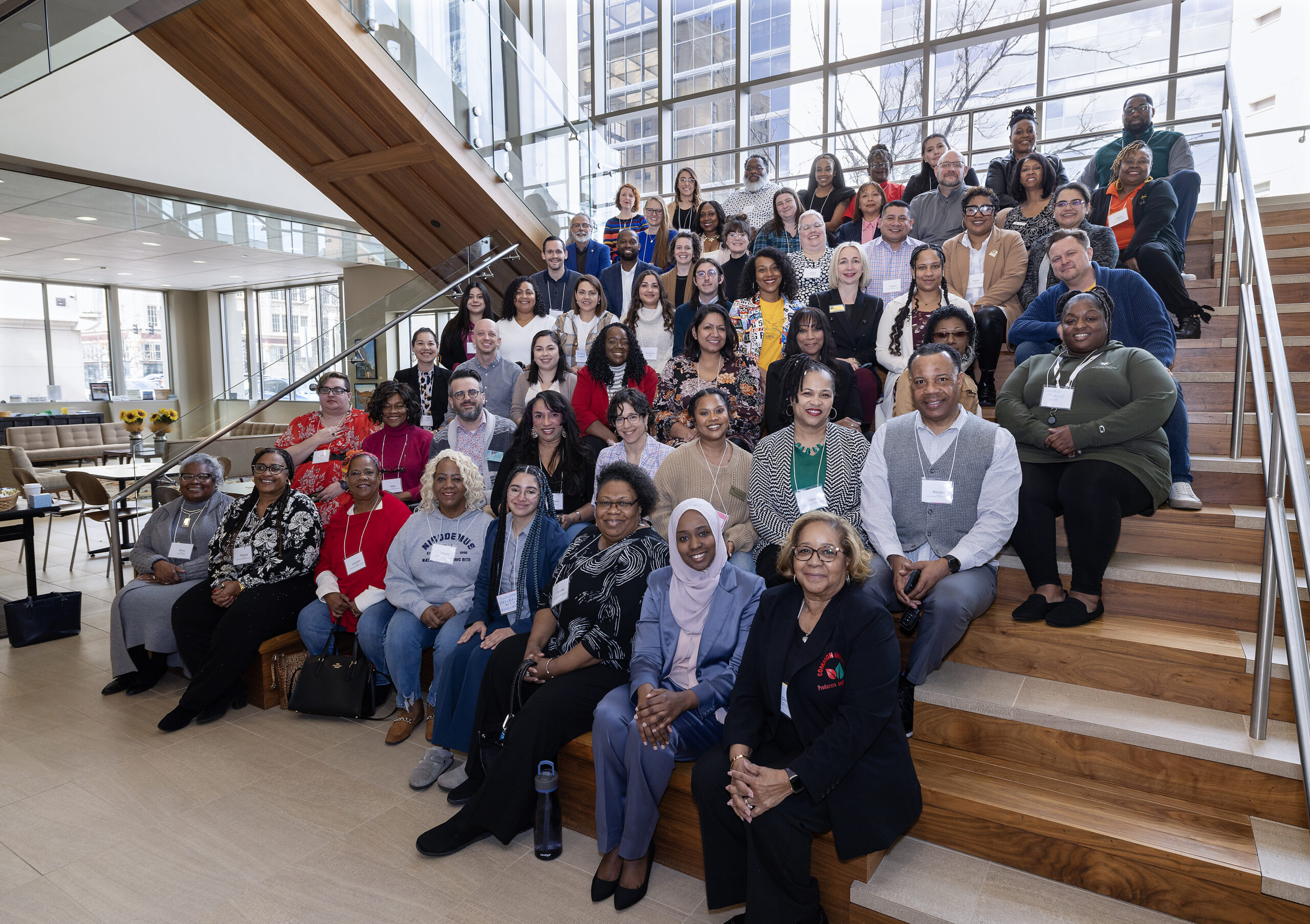
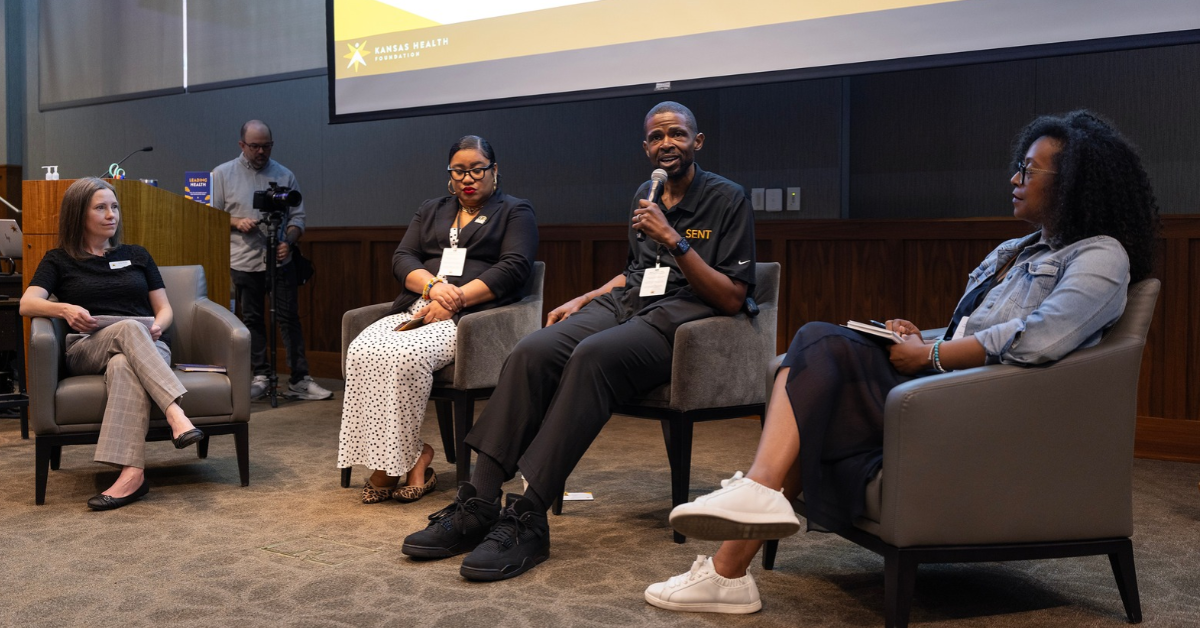
At the 2026 Partner Summit, our core partners shared examples of how they transformed an existing asset into a revenue opportunity.
Before founding Black Entrepreneurs of the Flint Hills, Sheila Ellis-Glasper was a business owner who struggled to find funding and entrepreneurial resources in her region. She built the solution herself, starting with an asset she already had. Her expertise as a business coach generated the organization’s first three years of earned income.
“Essentially, we built the ecosystem the region didn’t have access to.”
– Sheila Ellis-Glasper, Co-Founder and Executive Director, Black Entrepreneurs of the Flint Hills
Build WyCo, which expands housing, lending and economic opportunity in Wyandotte County, earns revenue from home sales, rentals, lending and tax credit deals. Its strongest asset, however, is its relationship with the community, which shows it where the greatest needs are. For example, when residents couldn’t get low-cost capital without a 700 credit score, Build WyCo pursued Community Development Financial Institution (CDFI) certification to fill the gap.
We’re not doing anything for people. We are doing it with people.”
– Carlanda McKinney, Associate Executive Director, Build WyCo
The assets they transformed into opportunities weren’t new to these organizations. They were already available, just waiting to be viewed and activated differently.
Identifying and Building Opportunities
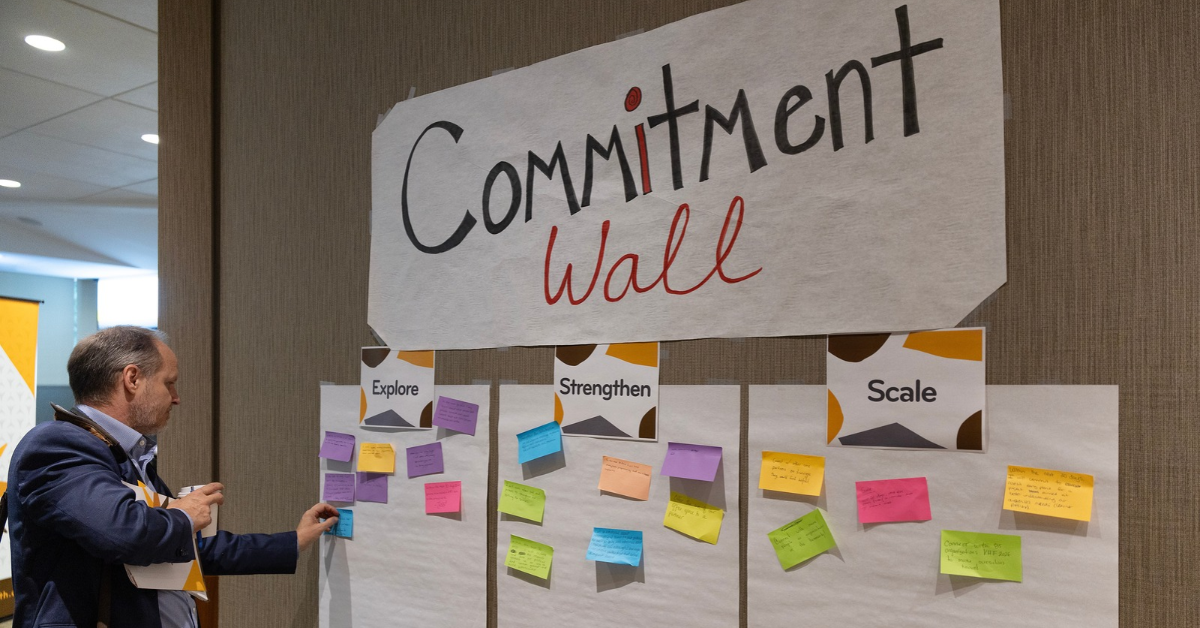
We walked our partners through a workshop designed to help them identify their assets and transform them into opportunities. You’re invited to work through the same exercise at your organization with these three steps.
- Asset Discovery: List what you have, what you know, who you know and what makes you unique. Then name your strongest asset and your most underused one.
- Identify Opportunities: Ask what problem that asset could help solve, who could benefit, who might pay for that value and what you would test first.
- Make a Commitment: Choose one opportunity and one action, then finish this sentence: “Within the next 30 days I will…”
Get the full Asset to Opportunity Workbook from the Partner Summit
You only need one opportunity worth exploring and one step you’re willing to take to get started. What commitment will you make?