





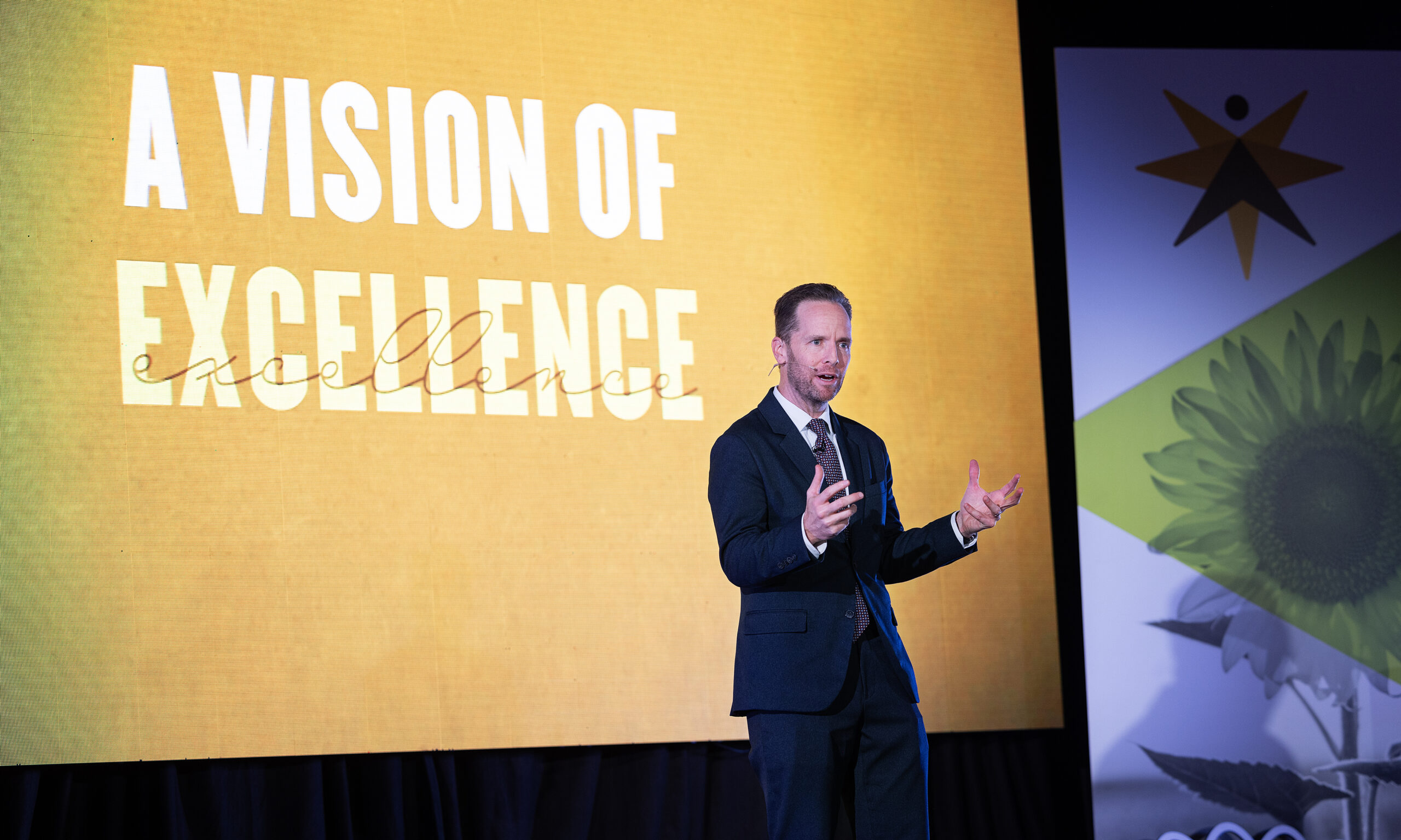



This article is part of the nine mindsets series based on the book Leading Health. The series was presented at Kansas Health Foundation’s annual Partner Summit in 2026.
Emergent needs, rather than the sluggish process of making systemic change, often dictate our collective behavior and the choices we make.
Consider the Kansas Health Foundation—we have to choose what to fund to maximize impact across our issue areas. As we make those funding decisions, we struggle with the tension between emergent needs and systemic change every day. In Leading Health, this tension is outlined in Mindset #2: Work Systemically.
I think everyone in nonprofit work has dealt with this dynamic.
For example, our food security partners deal with the tension between immediately feeding hungry people and systemically working toward solutions that prevent hunger. That tension played out across the country last fall during the government shutdown, which halted payments from the Supplemental Nutrition Assistance Program (SNAP), and this tension continues with federal policies cutting SNAP for thousands of Kansans.
Hunger is one of our issue areas, so we had to make a decision last fall. What is the best use of our resources? Do we focus on the immediate need? Or do we invest more resources to change the system that caused the need in the first place? What are the implications? If we fill an emergent gap caused by the system, what reason does the system have to change?
We learned from Mindset #1: Work Upstream that we need both charity and change to close the Health Gap in Kansas. After we walk upstream, Mindset #2 asks us to Work Systemically.
Get your copy of Leading Health
What It Means to Work Systemically
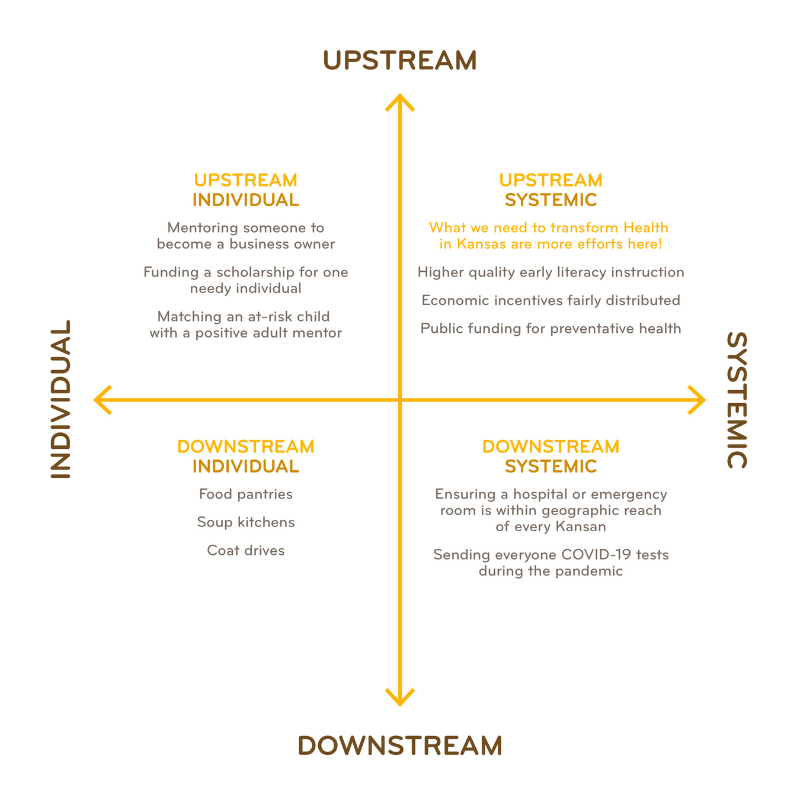
In Leading Health, we use a 2×2 grid to juxtapose systemic work with individual work alongside Mindset #1, working upstream versus working downstream.
Individual downstream work refers to charity, such as donating to a food pantry or hosting a food drive. This work addresses an immediate need, such as hunger, on an individual scale.
Systemic downstream work is more transformative, such as ensuring a pantry is within geographic reach of every Kansan. While transformative, change to systems to eliminate food insecurity is unlikely.
Individual upstream work looks like massive contributions to meet emergent needs, such as Kansas’s response to the government shutdown last year. In the end, the system didn’t change.
Systemic upstream work refers to full systems change, usually resulting from a piece of legislation. In our hunger example, it might look like a policy that makes it easier for families to apply for SNAP benefits.
Thinking in Systems
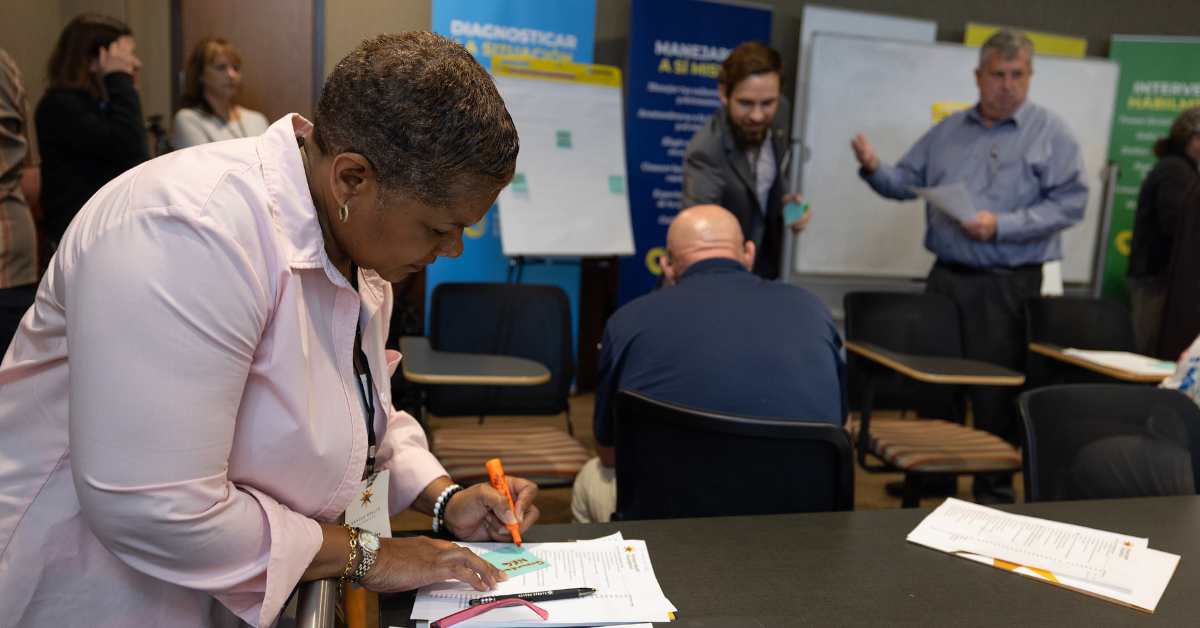
At the 2026 Partner Summit, we used the book Thinking in Systems by Donella Meadows to help our partners think systemically. One premise of the book is that systems have levers, or “leverage points,” where small shifts can drive change.
Meadows shares 12 leverage points, ranked from least powerful to most powerful. We bundled the levers together into four categories to make up the rungs of a “leverage ladder.”
The Leverage Ladder
- Tweaks, or technical changes to a system, sit at the bottom of the ladder. When we pull this lever, we get more of something or things get a little better.
- Flows, or “how things move,” are second from the bottom. This lever encompasses what information’s available, timing and feedback.
- Structure and Power are second from the top. This is where policy-making and regulations exist, and the greatest impact sits with those who get to decide.
- Purpose and Mindset, the top rung of the ladder, is the most impactful and most difficult to affect. When we pull this lever, we activate the narratives needed to create change and make every other level more powerful.
We asked our partners to consider where they spent most of their time, money and energy and to mark where that task sat on our leverage ladder. Then, we asked them to define what it would mean to move up one rung of the ladder.
What would it look like to move from system tweaks into system flows? How would it change the issue to move from activating structure and power to influencing purpose and mindset?
Jami Reever of Kansas Appleseed brought Kansas’s foster care system as the issue they spent the most time on. In 2021, after decades of crisis, they reached a settlement with the state.
“It was such a huge victory that we were going to see change. We got this boulder up almost to the top, and then it rolled back down again.”
What United Ways of Kansas’s Jessica Dorsey describes below isn’t a single issue but a system, where every piece has its own leverage point, and pulling on one lever can ripple into all the others (or not).
“Housing is usually tied to transportation, which is tied to your ability to have childcare and where you can get your food.”
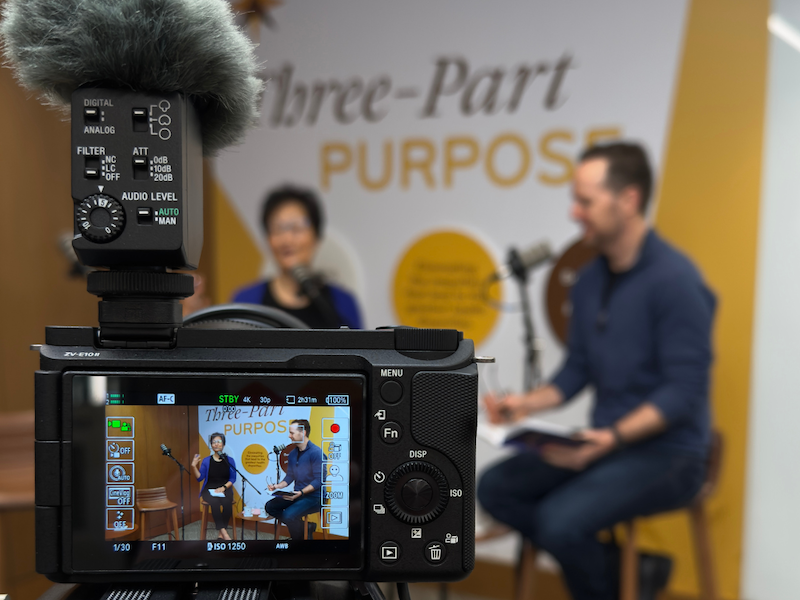
Explore more examples in this episode of the Leading Health podcast
With a mission to improve the Health of all Kansans, we know we need to pull more levers. We closed this session at the Partner Summit by asking every partner in the room to name one action that would move their work up one rung on the ladder. Then, we asked them to find at least one other organization that could help make that action achievable.
What would that look like in your organization or community? What’s one issue that you can take from the bottom of the ladder to the top, and who can help you climb?