Welcome to the Kansas Health Foundation website!

We are working to enable language changes across our entire site for our community. For now, this feature is available on this page!

Leading Health Chapter 16

October 6, 2026

Listen here or wherever you get your podcasts.

Mindset #5: Value Process and Structure

The members of the 30,000 love to talk about the vision (the what) and the purpose (the why); however, it’s rare for them to really talk about the “how.” 

In this episode, we explore why valuing process and structure is a critical ingredient to solving the health gap in Kansas. Drawing on examples from baseball leagues to youth sports coaching, from the Kansas Economic Growth Act to rural health transformation, we make the case that for the 30,000 Kansans in roles of civic authority, spending more time on the how is essential to moving the needle on our state’s health challenges. 

Returning guest Kenny Wilk joins the conversation again to share his firsthand experiences and to help us wrestle with what it takes to invent the processes and structures that turn vision into reality.

Highlights

  • Why process and structure are the invisible, overlooked “how” that separates a great vision from actual results.
  • How the invention of baseball leagues mirrors what civic leaders must do: inventing process and structure to support a big idea.
  • The Network Kansas story: how Steve Radley and Eric Pedersen built “E-Communities” to turn a legislative vision into 80–90 thriving local entrepreneurship programs.
  • Kenny Wilk’s account of authoring the Kansas Economic Growth Act with Senator Nick Jordan, and how the Kansas Technology Enterprise Corporation (KTEC) helped create the process behind the vision.
  • Why creativity and imagination are essential for inventing processes—not just physical objects, but the way we organize people and resources.
  • The Food Is Medicine movement: widespread agreement on the vision, but the hard work is inventing the process and structure to deliver and scale it across Kansas.
  • The Rural Health Transformation Program—a $50 billion federal investment in rural health—and the Anchor Hospital concept aiming to ensure every Kansan has primary and specialty care within 60–90 minutes.
  • The World Cup in Kansas City and the renovation of Union Station via the bi-state tax are powerful examples of how process and structure enable regional collaboration across a hard state line.
  • Why the “how” is adaptive, not set in stone—you must be willing to learn, adjust and iterate as you go.
  • The case for more regional collaboration in Kansas: 30 years of talk, but what process and structure would actually make it happen?
  • Key takeaways: a vision is only as good as the process and structure around it, and those in authority should use their position to center the conversation on how.

Chapters

  • 2:45 — The “How” Matters
  • 6:54 — Network Kansas Case Study
  • 8:51 — Kenny Joins the Conversation
  • 15:37 — Inventing Processes for Health
  • 19:34 — Rural Health Transformation Spotlight
  • 24:33 — Adaptive How and Youth Sports
  • 27:05 — Regional Collaboration Challenge
  • 31:15 — World Cup and Bi-State Examples
  • 33:35 — Key Takeaways

Resources

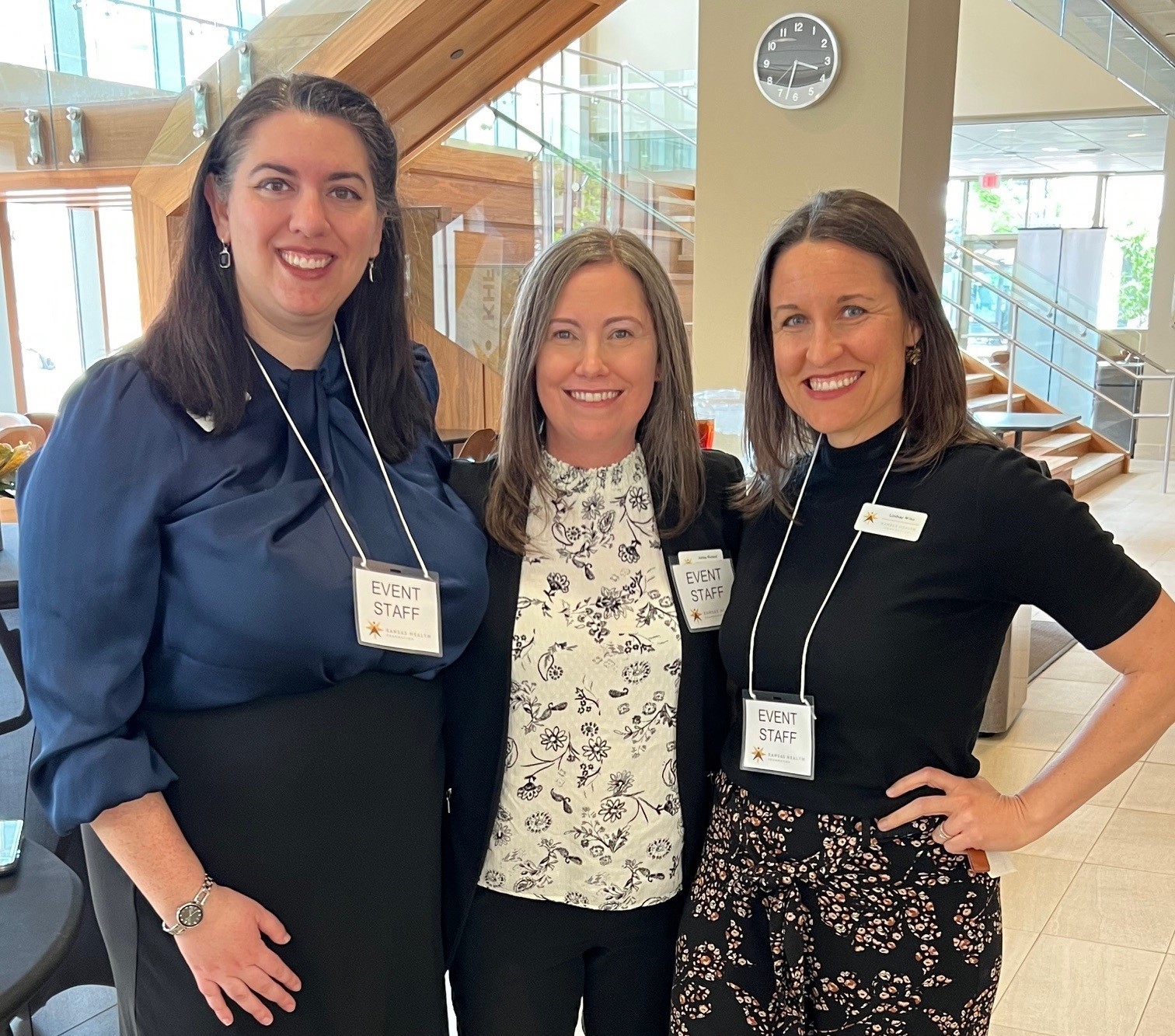
This episode highlights the importance of regional collaboration across Kansas, and the Kansas Health Foundation is making moves on that. Meet our two newest regional managers on the team: 

Leading Health is an invitation to move the needle on Health in Kansas, and we invite you to join us in leading the way. Claim your copy of the book and learn more about the movement.

Continue the discussion with these resources: