










This article is part of the nine mindsets series based on the book Leading Health: How You and 30,000 Kansans Help Communities Thrive. The series was presented at Kansas Health Foundation’s annual Partner Summit in 2026.
Have you attended a meeting where ideas are being generated, people are brainstorming projects and everyone agrees—“Yes! Let’s do this!”—but nobody has a clue how to “do this” when they leave that meeting?
Vision requires ideas. Ideas represent the “what” and the “why” of our missions, the projects we work on and the services we provide. We need ideas, but we also need the process and structure to implement them.
In Leading Health, we outline nine mindsets the 30,000 need to adopt to drive the policy and programmatic changes that will close the Health Gap in Kansas. Mindset #5: Value Process and Structure tells us to spend more time on the “how” behind our ideas.
Get your copy of Leading Health
Process is the Assist
Process and structure are how we get work done.
When I was growing up, I had a basketball coach who always said: “I don’t care what’s on the scoreboard. I’ll give you one point for a basket and five points for an assist.” The idea was that scoring was only the end result. The process to get there—the person that makes the pass, that gives the assist—was ultimately how we achieved the end result.
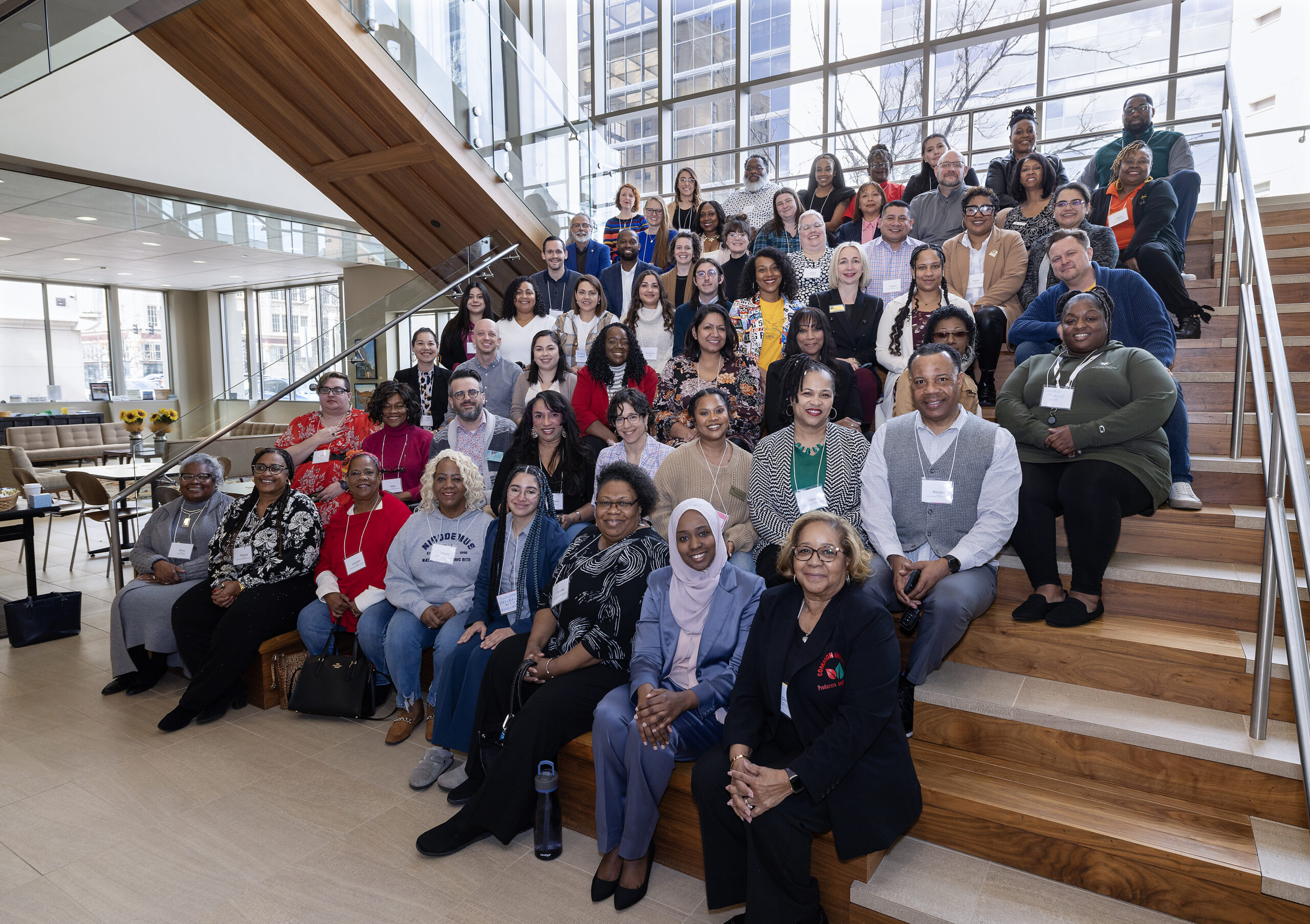
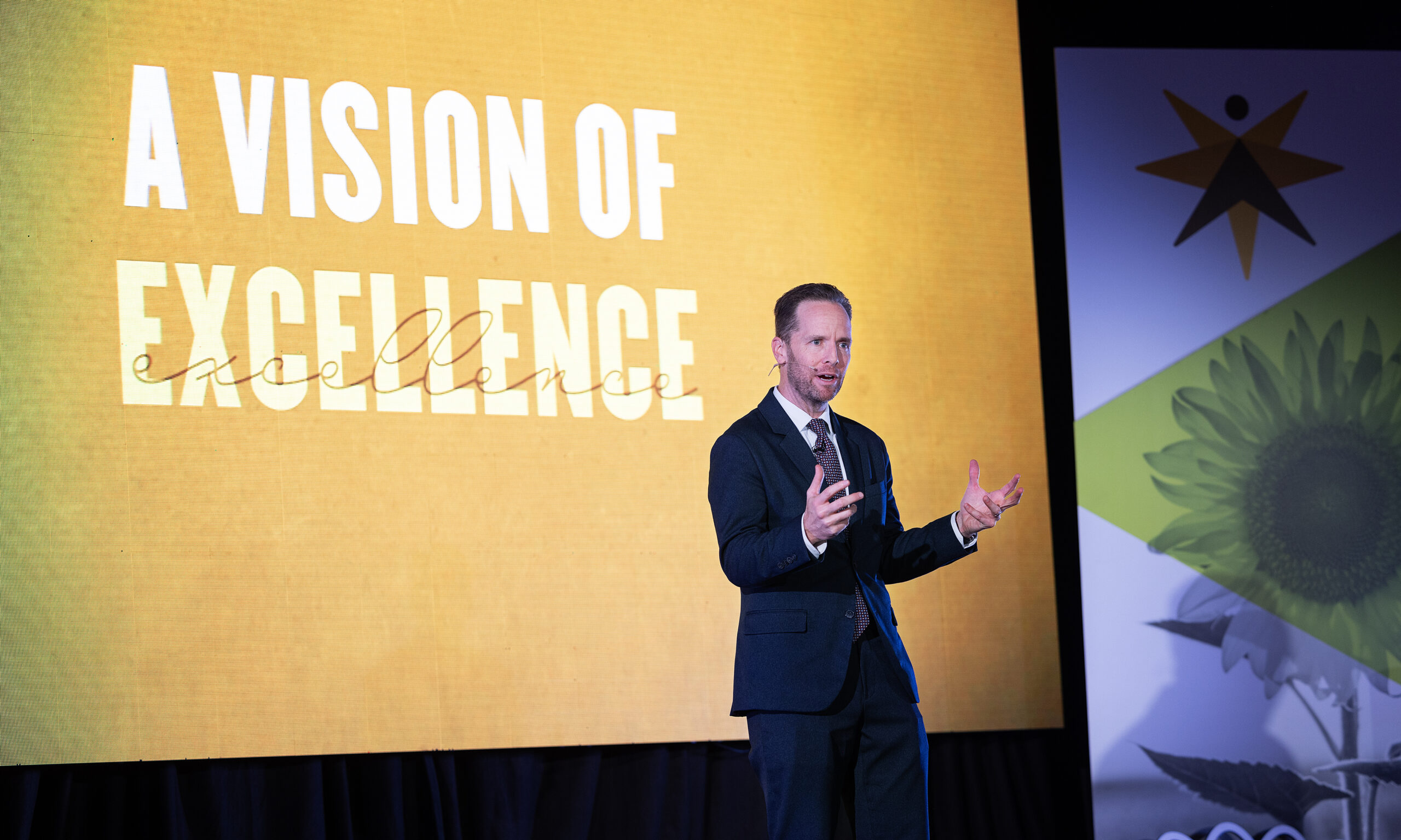
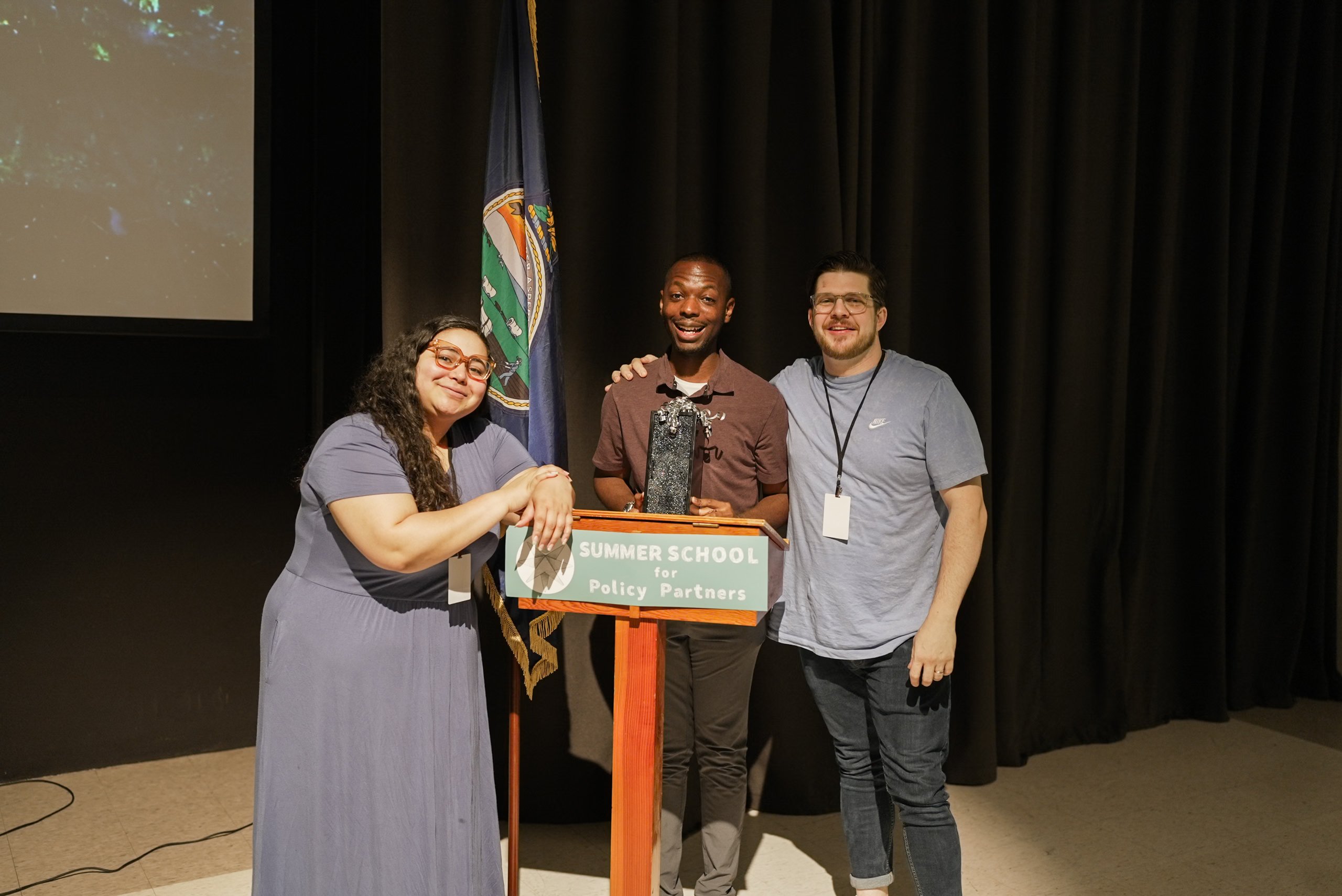
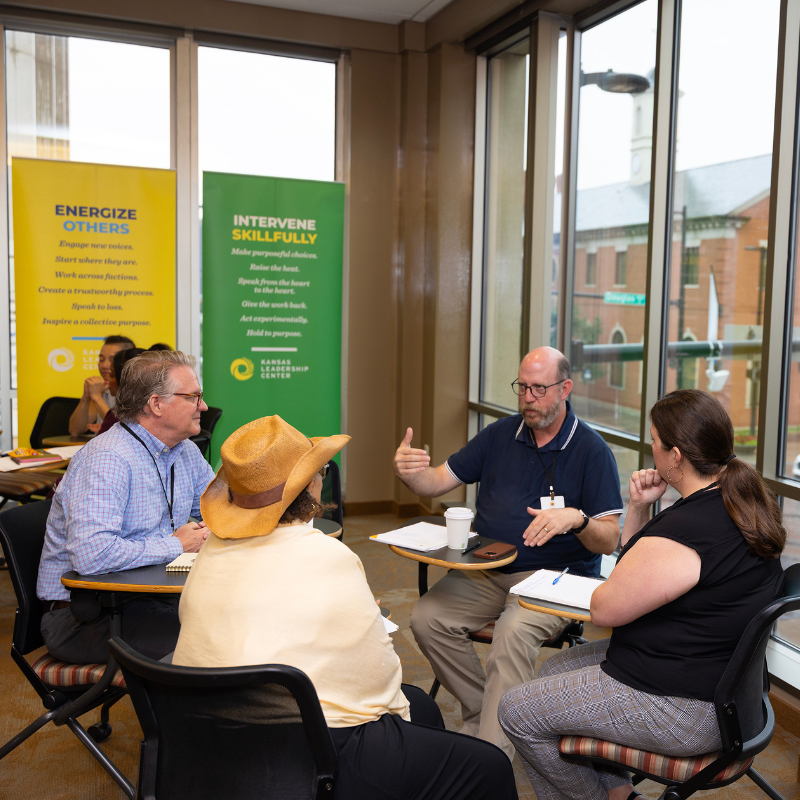
During the 2026 Partner Summit, we introduced the idea of process and structure with a conversation focused on knowledge sharing. We started in small groups and shared horror stories.
Yeni Silva-Renteria, current Executive Director of the International Rescue Committee, shared an example from her small group in which participants experienced situations where processes seemed to be nonexistent.
You walk in and things are just going all over the place.”
– Yeni Silva-Renteria, Executive Director, International Rescue Committee
Process and structure give your organization a path to set up your play and run the ball down the court. Without them, your team is going all over the place and getting nowhere at all.
Another group had the opposite problem: too many procedures that kept them from doing their work to the point where they’d have to create a process for a process.
That’s a good example of process and structure out of balance with the task at hand. The greater the complexity of a task, the more process and structure you need. When a simple task carries too much, work grinds to a halt.
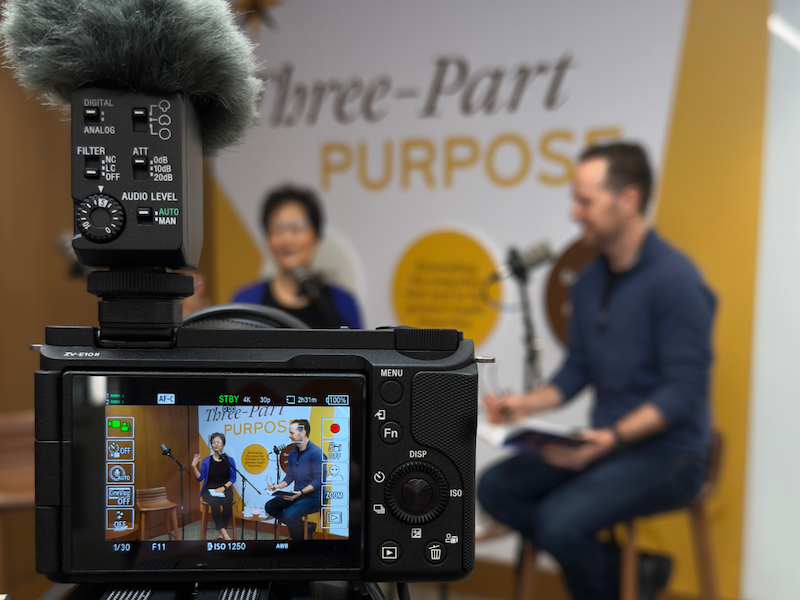
Dive deeper into Mindset #5 in this episode of the Leading Health podcast
Structure Allows for Flexibility
Next, we asked participants to share times when process and structure worked.
One of our partner’s teams learned the hard way.
A previous project had fallen apart, and they realized that process and structure were missing. When they started their next project, they decided at the beginning who would do what work and when work was due. They also built in time to stop and ask questions whether they were still heading in the right direction.
That time gave them room to learn, pivot and dream. The final product ended up being something different than they originally planned and something they were even more proud of.
What starts as an idea needs to end with impact. Process and structure are the path to get there.